

Patients who are nervous about a cleaning often ask, “is tooth scaling painful?” For most people, the answer is no. For a deep cleaning, your dentist numbs the area first, so you mostly feel pressure and light vibration, not sharp pain. Your gums may feel a little sore for a few days. Any tooth sensitivity usually eases over the next few weeks.
Teeth scaling removes plaque and hard tartar from your teeth. A routine cleaning cleans the tooth surfaces. A deep cleaning, called scaling and root planing, cleans below the gumline to treat gum disease.
In this guide, Kirkland Dental Excellence explains what each type of scaling feels like and how numbing works. We also cover how to stay comfortable after your visit.
Table of Contents
ToggleIs Tooth Scaling Painful in a Routine or Deep Cleaning?
People who ask “is dental scaling painful” are often thinking of two treatments:
The first is a routine cleaning, which removes plaque and tartar from tooth surfaces. The second is a deep cleaning, or scaling and root planing, which treats gum disease below the gumline when gum pockets become too deep.
Here is how both compare:
Pain Factor | Routine Cleaning | Deep Cleaning |
Feeling during the visit | Mild scraping and pressure | Pressure and vibration once numb |
Numbing | Usually not needed | Usually local anesthetic and numbing gel |
Pain after the visit | Little or no soreness | Sore gums for a few days |
Tooth sensitivity | Brief, if any | May last a few weeks |
If your gums are healthy, you will most likely need only routine dental cleanings every few months, which keep tartar from building up and are usually quick and comfortable.
Is Dental Scaling Necessary?
Plaque hardens into tartar, which holds bacteria below the gums and can lead to gum disease. Only your dentist or dental hygienist can remove it. Bleeding or puffy gums are often the early signs of gingivitis. According to an ADA clinical practice guideline, scaling and root planing is the recommended first nonsurgical treatment for chronic periodontitis.
Treatment can calm red, bleeding gums and help control gum disease. It may also lower your risk of bone and tooth loss.
Who Needs Scaling Most?
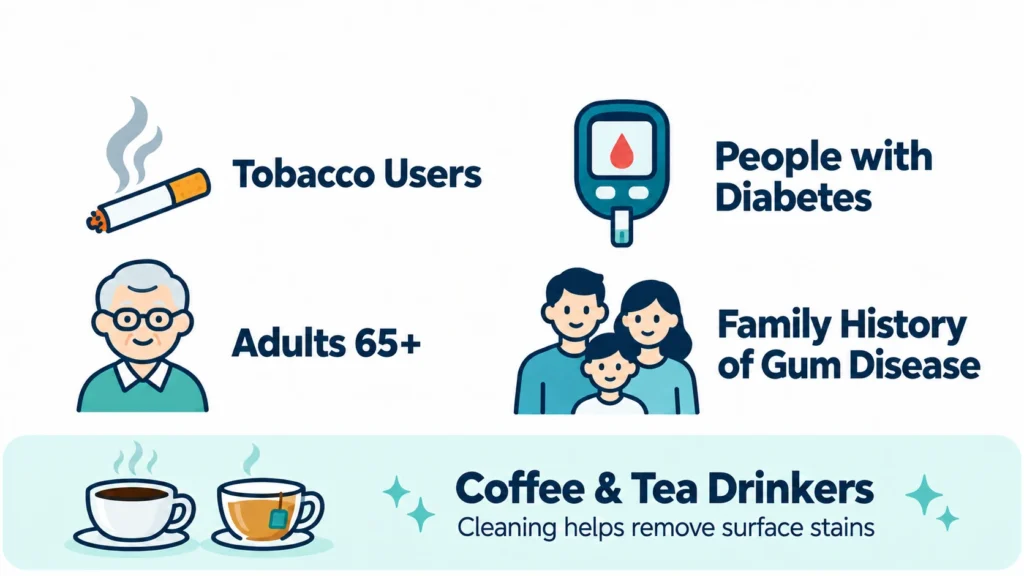
Some people face a higher risk of gum disease. According to the American Academy of Periodontology, tobacco use is one of the most significant risk factors. These groups may benefit most:
- People who smoke or use tobacco
- People with diabetes
- Adults over 65
- People with a family history of gum disease
Heavy coffee or tea drinkers may also benefit. The American Dental Association notes that these drinks cause surface stains, and a professional cleaning can reduce them.
Is Scaling and Root Planing Painful?
Before a deep cleaning, many patients want to know, does scaling and root planing hurt? In most cases, it does not. Your dentist numbs your gums first, so you feel pressure and light vibration instead of sharp pain.
A routine cleaning usually does not need numbing. Does dental scaling hurt at a regular checkup? Most people feel only a little scraping, and swollen gums may feel tender for a short time.
Is Root Planing Painful Once You Are Numb?
Your dentist first rubs numbing gel on your gums, so the shot of local anesthetic usually feels like a small pinch. Within a few minutes, your gums, lips, and part of your tongue may feel heavy, tingly, or thick. During root planing, you will likely feel pressure and vibration but not sharp pain.
How Much Does a Deep Cleaning Hurt?
Most scaling and root planing pain starts after the numbness wears off, not during the visit. According to a study in The Journal of the American Dental Association, researchers asked 52 adults with gum disease to rate their pain after a deep cleaning done with local anesthetic. Here is what they reported:
- 28% felt faint to weak pain.
- 18% felt weak to mild pain.
- 28% felt mild to moderate pain.
- 8% felt moderate to strong pain.
- 8% felt strong to intense pain.
For most people, the pain was strongest about three hours after the visit. By the next morning, it had gone back to how they felt before treatment.
What Happens During Scaling and Root Planing?
Knowing what happens at each step can make the visit feel less scary. It can also help if you are still wondering “is scaling of teeth painful” from start to finish. Here is what to expect:
- The dentist checks your gums and measures the small spaces, or pockets, around each tooth.
- Your dentist numbs the area with gel and a local anesthetic.
- Your dentist or hygienist cleans plaque and tartar from above and below the gumline. They use small hand tools or an ultrasonic scaler, which uses gentle vibration.
- The dental expert smooths the tooth roots so your gums can heal and fit snugly around your teeth again.
Most people feel pressure during these steps, not pain. Your dentist may also split the treatment into two visits and clean one side of your mouth at a time.
What Affects Scaling Pain?
Whether teeth scaling feels painful is different for each person. A few things can affect how much discomfort you feel:
- How swollen or sore your gums are before treatment
- How much tartar has built up on your teeth
- How deep the pockets around your teeth are
- Your own pain tolerance
- How nervous you feel about the visit
Feeling anxious can make a real difference. According to a 2023 study published in Medicina, patients with higher dental anxiety reported more pain after a deep cleaning. If you feel nervous, tell our team before your visit so we can talk about ways to keep you comfortable.
Some anxious patients ask about sedation, so you may want to read about how IV sedation works in dentistry before your appointment.
Does Tooth Scaling Hurt After You Get Home?
Some discomfort is normal once the numbness wears off. You may have tender gums, light bleeding when you brush, or teeth that react to hot and cold. According to Cleveland Clinic, gums may feel sore for a couple of days, and sensitivity should go away within a month or two.
Sensitivity happens because removing tartar can uncover parts of the tooth root. Your teeth may also feel a little loose at first, but this should settle as your gums heal and tighten around them.
Tips to Manage Tooth Pain After Scaling
Your gums need a few days to heal after a deep cleaning, and how you care for them at home can make a real difference. Gentle habits can ease soreness, calm sensitivity, and help your gums settle back around your teeth. Here are some simple tips to follow:
- Wait until the numbness wears off before you eat.
- Choose soft foods for a day or two.
- Rinse gently with warm salt water.
- Brush gently with a soft-bristle toothbrush, and keep flossing.
- Take an over-the-counter pain reliever if needed, as the label directs.
- Try a desensitizing toothpaste for sensitive teeth.
When to Call Your Dentist About Pain After Scaling
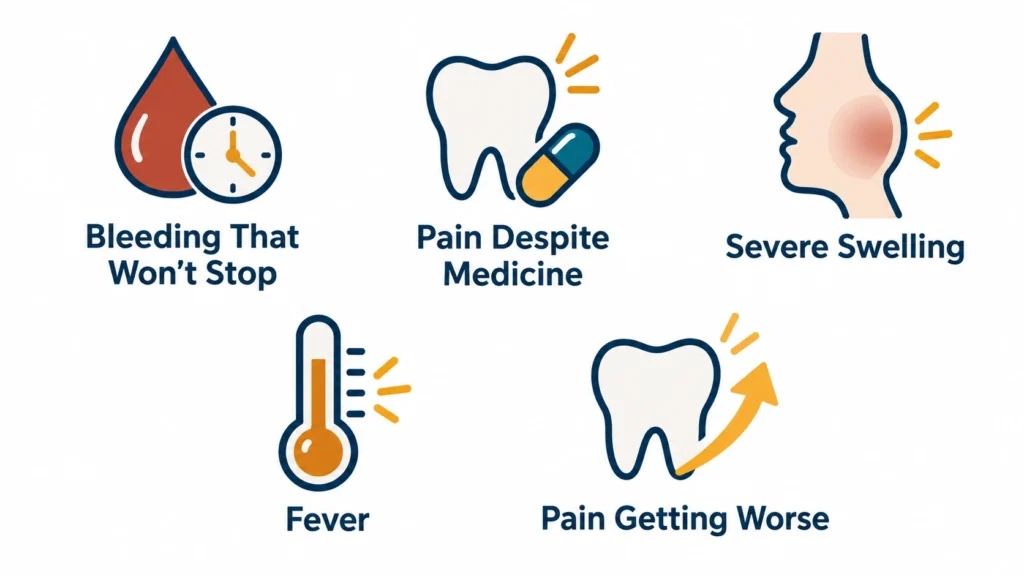
Mild soreness and sensitivity are normal, but some signs need a dentist’s attention. According to Cleveland Clinic, you should contact your dentist if you have bleeding that does not stop, pain that does not get better with medicine, or severe swelling. You should also call if you develop a fever or if your pain gets worse after a few days instead of better.
At Kirkland Dental Excellence, Dr. Hedayati and our team focus on gentle, comfort-focused care for every patient, including those who feel nervous about treatment. Whether you need a routine cleaning, a deep cleaning, or a quick check after your visit, we are here to help your gums heal and stay healthy. Call us at (425) 827-2003 or make an appointment at our Kirkland office today.
Final Thoughts
If you have been putting off a cleaning because you wonder “is tooth scaling painful,” the good news is that most people find it very manageable. A routine cleaning may feel like light scraping, and a deep cleaning is done with numbing, so you mostly feel pressure and vibration.
Afterward, your gums may feel sore for a few days, and your teeth may be sensitive for a few weeks, but these feelings fade as your gums heal. Gentle aftercare at home and telling your dentist if you feel nervous can help keep you comfortable from start to finish.
FAQs
Yes. People with swollen gums, heavy tartar buildup, or dental anxiety may feel more discomfort after treatment.
Usually not. Gum soreness fades within a few days, though sensitivity to hot or cold may last a few weeks.
Most people feel pressure or vibration rather than sharp pain. Deep cleanings usually include numbing.
It can. Teeth may react to hot or cold for a while as your gums heal.
Gum soreness and tooth sensitivity can occur after scaling, but they should gradually improve as your gums heal.


