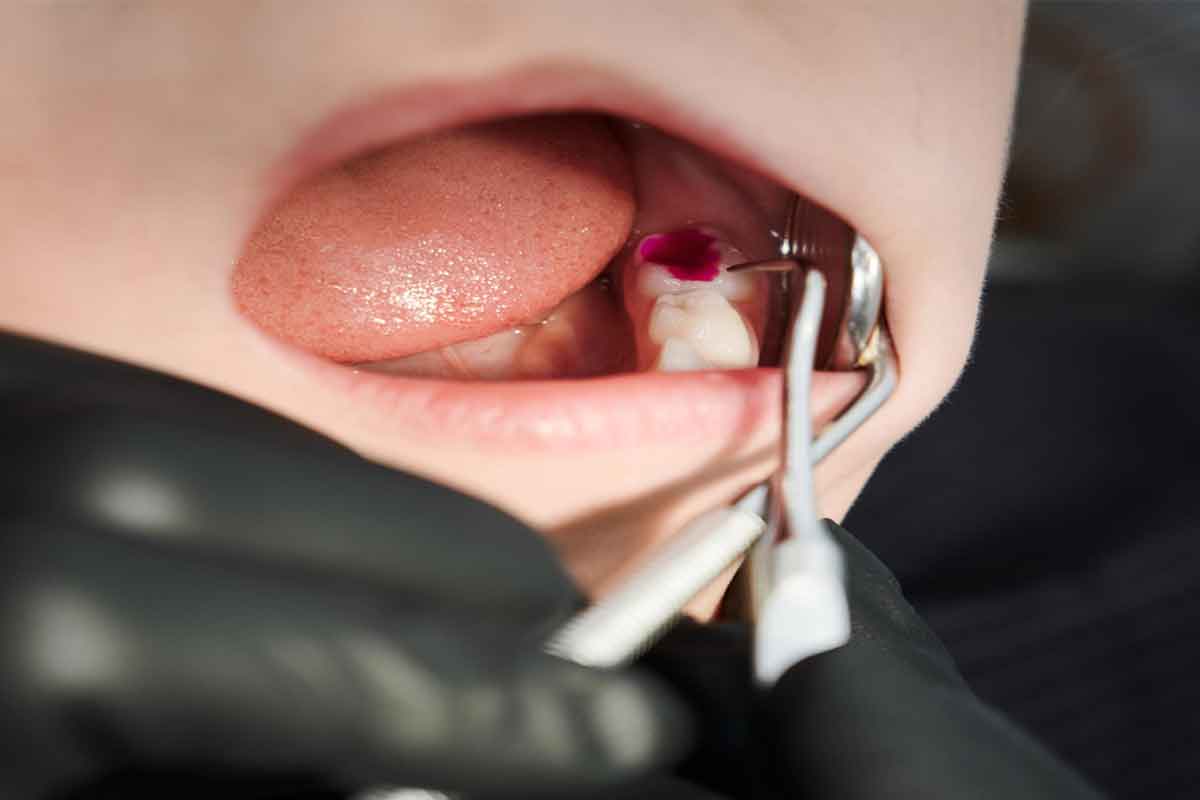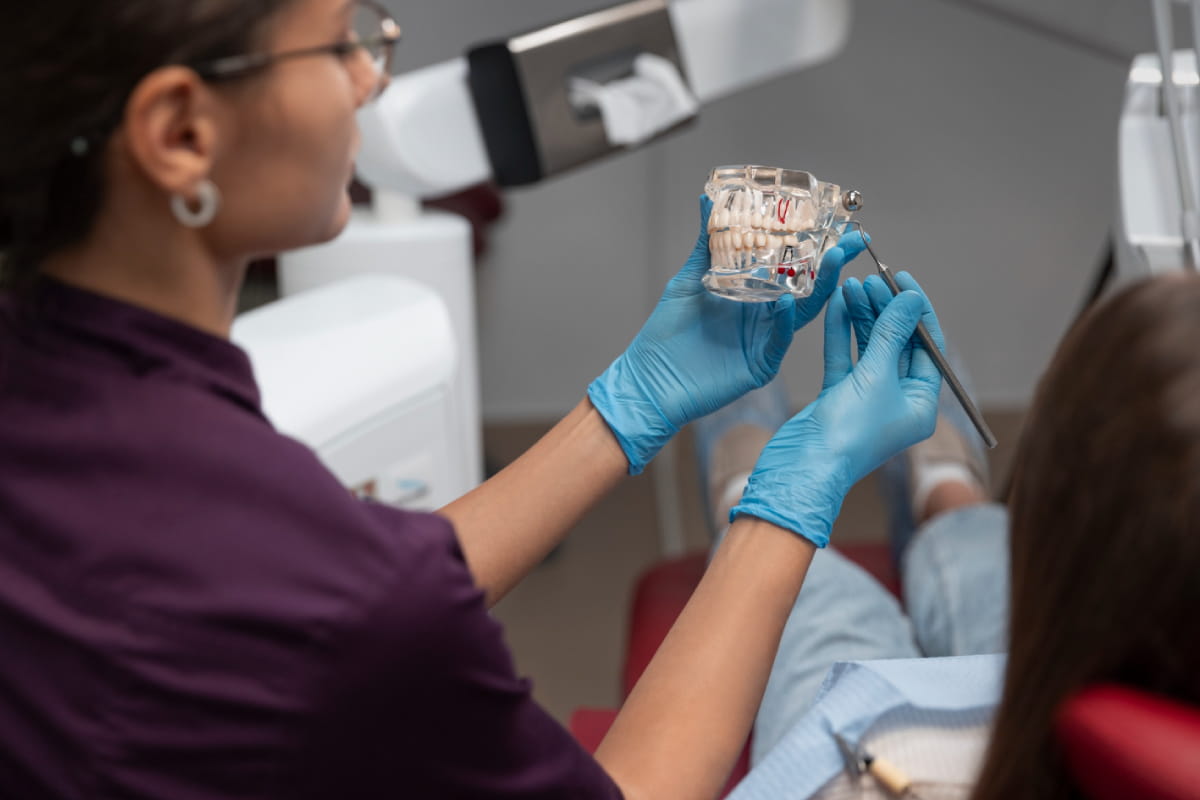

Full mouth restoration is a dental procedure that helps fix every problem in your mouth. It restores your bite, your smile, and your comfort. If you want to know that this dental treatment is a good choice for you, you are in the right place. Here, we give you comprehensive information so that you can decide if you need full mouth restoration and make the best choice.
Table of Contents
ToggleTop Signs You Need Full Mouth Restoration
Some signs are easy to see. Others take time to show. If you deal with pain, trouble eating, or old dental work that keeps breaking, you may need full mouth restoration. Let’s see when dentists use full mouth rehabilitation Seattle:
Severely Worn or Damaged Teeth
Teeth wear down from grinding, clenching, or acid. When your teeth wear down, they become flat, short, or cracked. You may feel pain or sensitivity. Those with worn or broken teeth often need full mouth restoration to protect what’s left and build strong new teeth.
Multiple Missing Teeth
Missing teeth cause more problems than just gaps. Missing teeth cause nearby teeth to shift, make chewing difficult, and lead to jawbone loss over time. So, if you’re missing more than one tooth, you are in need of full mouth restoration.
Ongoing Jaw Pain or TMJ Issues
Jaw pain, tightness, or clicking sounds often mean the teeth and jaw don’t line up right. This can lead to TMJ disorder. People with this pain clench their teeth or get headaches. These are signs you need Seattle full mouth rehabilitation to realign your bite and reduce strain.
Trouble Chewing or Speaking
When your teeth don’t work right, eating and talking become a challenge. You may bite your cheeks or avoid certain foods. If chewing or speaking feels off every day, you may need full mouth restoration to restore the natural function of your teeth.
Chronic Gum Disease
Red, swollen, or bleeding gums point to gum disease. If untreated, this condition can destroy bone and tissue, teeth become loose, and gums pull back. Many patients with gum disease need full mouth restoration after their infection is under control. Healthy gums are the foundation for any smile fix.
Dental Injuries or Trauma
Accidents damage teeth in big ways. A fall or blow to the mouth can break, chip, or knock out several teeth. If trauma has changed your smile or bite, you may need full mouth restoration to repair the damage completely.
Bite Problems or Misalignment
A poor bite puts pressure in the wrong places. This can lead to tooth wear, jaw pain, and serious problems like tooth damage or TMJ issues. People with bite problems need full mouth rehabilitation Kirkland to balance their teeth and prevent more harm.
Other signs You May Need Full Mouth Restoration
Some signs of dental problems are easy to miss. Look out for these changes in your mouth and smile:
- Frequent toothaches.
- Sensitive teeth.
- Loose or shifting teeth.
- Bad breath that won’t go away.
- Face looks sunken or older.
- Smile has changed over time.
- Pain or discomfort affects daily life.
Find Out If You Need Full Mouth Reconstruction in Seattle
If you live in Seattle or nearby and deal with these issues, we can help. At Kirkland Dental Excellence, we check your teeth, gums, jaw, and bite. We create a plan just for you. If you need full mouth restoration, we’ll explain each step clearly. So, don’t wait to make an online appointment right now.
Let’s Recap
If you have the problems we mentioned above, you better take action and not ignore them. Full mouth restoration improves your ability to eat, speak, and smile comfortably. The sooner you address these concerns, the better your chances of preventing more complications in the future.
FAQs
Orthodontics moves teeth into better positions. This helps your bite work properly.
Yes. Gum treatment is often the first step. Healthy gums are needed before doing any other dental work.
Health conditions like diabetes or heart disease can slow healing. We look at your full health before making a plan.
You need strong bones to support implants. If you lost teeth years ago, your jawbone may be thin. We may add bone to build strength before placing implants.