
Everyone is likely to get cavities, even if they brush and floss every day. Dental sealants keep cavities away by covering deep grooves in your back teeth. They’re quick, easy, and painless to apply. Keep reading to learn all about dental sealants in Kirkland and how we treat them.
Protect Your Smile with Dental Sealants in Kirkland, WA
They are thin, protective coatings we apply to the chewing surfaces of the back teeth. These areas have deep grooves and pits that can easily trap food, plaque, and bacteria. Once a cavity forms, it can result in pain, infection, and the need for fillings or more complex treatments. Even with regular brushing, it’s hard to clean deep into those grooves. Dental sealants cover these areas and create a smooth surface that helps prevent tooth decay.
Protective tooth coating in Kirkland can also:
- Help avoid the need for fillings or crowns later
- Last up to 10 years with proper care
- Make brushing more effective
- Offer extra protection for kids’ newly erupted permanent teeth
They are typically made from strong, safe materials like bis-GMA resin or glass ionomer. Some types also release fluoride, which helps protect against future cavities.
Professional Dental Sealant Treatment in Kirkland, WA
The process is quick, painless, and non-invasive. Here’s what to typically expect at Kirkland Dental Excellence:
- First, we remove any plaque or food from the surface to make sure it’s completely clean.
- We keep the tooth dry with cotton or a small barrier to prepare it for the next step.
- We apply a special gel. This gel lightly roughens the surface so the protective tooth coating can bond well.
- After a few seconds, we rinse off the gel and dry the tooth completely.
- We apply the material directly into the grooves of the tooth.
- We use a curing light, a special light, to harden the material in seconds, which locks it into place.
- Finally, we make sure everything feels right and secure.
Most patients leave feeling confident and cared for, knowing their smile is protected for years to come. Join the hundreds of happy patients who trust Kirkland Dental Excellence. Book your appointment today for a fast, painless sealant treatment with lasting results.
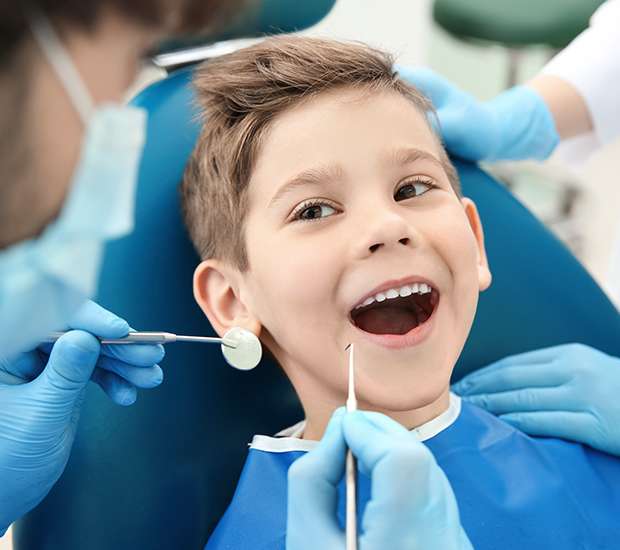
How Long Can You Count on Dental Sealants?
They can last from five to ten years. But, the lifetime depends on your dental habits and oral health. Let’s see their lifetime based on different conditions:
Oral Habits & Conditions | Estimated Lifespan |
Brush twice daily, floss regularly, avoid hard/sticky foods | Up to 10 years |
Good brushing habits, but chew ice or eat hard candy | Around 5–7 years |
Irregular brushing, frequent hard/sticky foods | Around 3–5 years |
Habit of teeth grinding (bruxism) | Around 3–5 years |
Why Choose Our Dental Sealant Services in Kirkland, WA
Protecting your smile starts with the right team, and at Kirkland Dental Excellence, we go beyond basic care. Led by Dr. Oveys Hedayati, our office is trusted by the Kirkland community, with over 150 five-star Google reviews.
Here’s why families choose us:
- Experienced and gentle team trained in preventive care
- Personalized treatment plans for every age
- Friendly, welcoming staff that makes you feel at ease
- Use of modern, safe materials for dental sealants in Kirkland, WA
- Fast and efficient appointments with minimal wait times
- We work with many insurance plans and help verify coverage
- Clean, comfortable office setting designed for your comfort
EXCELLENTTrustindex verifies that the original source of the review is Google. ⭐️⭐️⭐️⭐️⭐️ I had a fantastic experience at my dental cleaning today! From the moment I walked in, the front desk staff were welcoming, helpful, and made check-in a breeze. The office itself is clean, comfortable, and has a calming atmosphere that immediately put me at ease. The hygienist and dentist had such great bedside manner—friendly, professional, and genuinely caring. They explained everything clearly and made sure I was comfortable throughout the entire visit. It’s rare to find a team that combines excellent care with such outstanding customer service. I left feeling well cared for and grateful to have found a dental office that treats patients like family. Highly recommend!Posted on GoogleTrustindex verifies that the original source of the review is Google. Fui a Kirkland dental excelence por una referencia que me hicieron en clinica seamar por 2 muelas que necesitaban endodoncia y cuando me revisaron en dental excelence el dentista encontro que no eran 2 endodoncias que necesitaba sino 3 me dieron muy buen servicio me ayudaron mucho en solo 3 citas me arreglaron mis 3 problemas dentales que llebaba estaba nerviosa porque no sabia como era lo que me iban a hacer porque comentarios ajenos me habian dicho que era un procedimiento muy doloroso ,pero mi experiencia fue muy buena, definitivo recomiendo visitarlos. el lugar es muy tranquilo todo muy limpio son muy profecionales amables pero sobre todo muy buenos en lo que hacen. igual las recepcionistas muy atentas amables igual me ayudaron y orientaron en acomodar mi forma de pagos grasias estoy muy contenta como me atendieron grasias.Posted on GoogleTrustindex verifies that the original source of the review is Google. The doctor and staff have always been great and always answered my questionsPosted on GoogleTrustindex verifies that the original source of the review is Google. Dr. Hedayati did an excellent job on my four molars. He proved to be exceptionally capable and efficient in the procedures. His work not only improved my dental health, but also my quality of life. All of the work was carried out with high cleanliness and all the staff was very helpful. I am very grateful!Posted on GoogleTrustindex verifies that the original source of the review is Google. Easy parking and check-in. Got right in and out quickly for my cleaning. Very nice staff. Two thumbs up.Posted on GoogleTrustindex verifies that the original source of the review is Google. I’ve been going there for several years. It has been a great experience. They are very careful in the work they do—much better than other dentists I have gone to in the past. I strongly recommend them.Posted on GoogleTrustindex verifies that the original source of the review is Google. Dr. Davis has been my dentist for years, ever since he took over the practice from Dr. Fong, and I think I've interacted with just about everyone in the office, and they are all INCREDIBLE. Seriously, these are some of the kindest, most professional, totally on the ball people you will ever have the pleasure of visiting for a dental appointment. I'm sad to be leaving the state, because it means I will no longer be able to go to Eastview Family Dental, which is a tragedy. They really are the best!Posted on GoogleTrustindex verifies that the original source of the review is Google. I've gone to Kirkland Dental Excellence for many years and highly recommend their team of professionals.Posted on GoogleTrustindex verifies that the original source of the review is Google. This place is amazing! The whole team is super friendly, the vibes are great, and I especially like the music that’s being played. Dr Dibaji is a total pro - gentle, caring and listens to your concerns. I left with a smile on my face (literally). Highly recommend!Posted on GoogleTrustindex verifies that the original source of the review is Google. Kirkland Dental Excellence offers amazing care. If you’re looking to switch dentists, come here. The staff is so patient, kind and helpful!
FAQs
What are dental sealants made of?
Most sealants are made from plastic resins, like bis-GMA or glass ionomer. These materials are strong, safe, and effective.
Is a protective tooth coating safe?
Yes, it’s very safe. These coatings are approved by dental experts and don’t damage your teeth or gums.
Why do my teeth feel sore after getting a tooth-colored coating?
Mild discomfort is rare, but it can happen if your bite feels a little off. Let your dentist know—they can adjust it quickly.
What does a tooth-colored coating look like?
It’s usually clear, white, or slightly tinted. It blends in with your natural teeth, so it’s not noticeable when you smile or talk.
How long does a protective tooth coating last?
It can last 5–10 years, sometimes even longer. Your dentist in Kirkland will check it during your routine visits to make sure it’s still working well.
When should kids get a cavity-prevention coating?
Kids should get it when their first and second molars come in—usually around ages 6 and 12. It’s best to apply it before cavities have a chance to form.
Can adults get a cavity-prevention coating too?
Yes! Adults with healthy back teeth and no decay can also benefit from this extra layer of protection.
Does a tooth-colored coating replace brushing and flossing?
No. It helps prevent cavities, but you still need to brush twice a day, floss daily, and see your dentist regularly.
Can cavities still form under a protective tooth coating?
It’s rare, but possible if the coating gets worn down or cracks. Regular dental checkups in Kirkland, WA, help catch any problems early.
Related Blogs

8 Common Causes of Crooked Teeth
Many people deal with teeth that do not grow in a straight line. Some teeth crowd together, twist, or stick out. This is a common dental

What Are Dental Sealants Made of?
Dental sealant materials cover the chewing surfaces of back teeth. These areas have tiny grooves that trap food and cause cavities. Sealants block those spots and

Family Dentist vs Pediatric Dentist: Which One is Right for Your Child?
As a parent, your child’s smile means everything. When it’s time for their first dental visit, or if they have a toothache or need a cleaning,