Tooth Pain With No Cavity? What Could Be Causing It?

What Can I Do About Uneven or Crooked Teeth in Kirkland? A Dentist’s Guide
March 4, 2026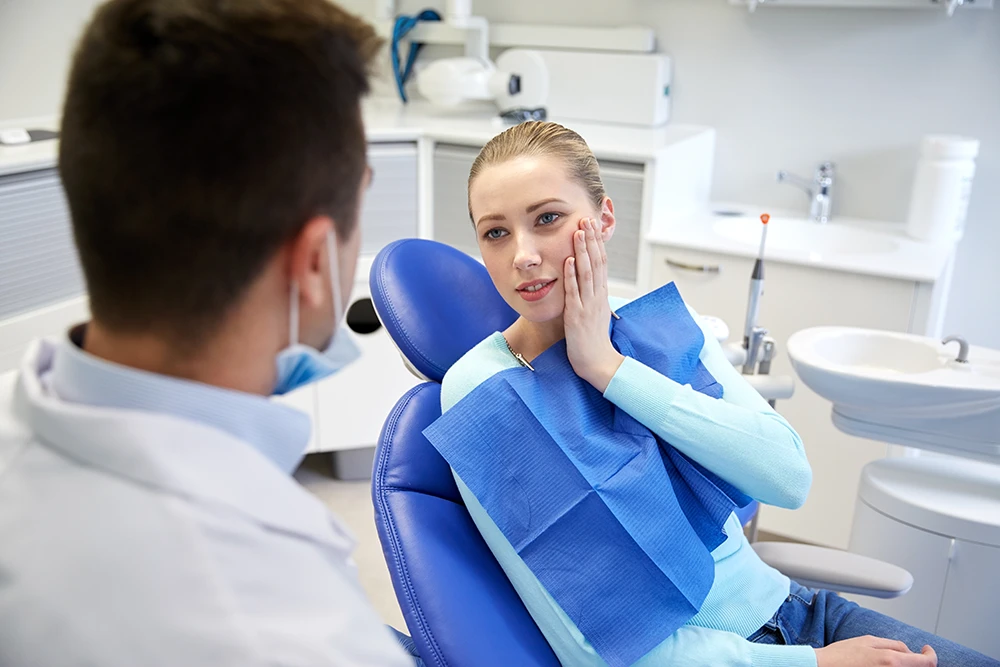
Many patients experience tooth pain without a cavity and don’t know why. While cavities are a common cause of toothaches, they’re not the only one. Sometimes, pain can come from hidden dental problems or even issues outside the teeth themselves.
Ignoring this dental pain can lead to bigger problems. Join Kirkland Dental Excellence to understand what else might be going on and when to see a dentist for proper diagnosis and treatment.
Common Causes of Tooth Pain Without a Cavity
If you’re dealing with tooth pain without a cavity in Kirkland, WA, there may be other causes behind it. Below are the most common reasons your tooth might hurt even when no decay is present.
Gum Disease
It is an infection of the soft tissues around your teeth. It is typically caused by plaque and bacteria buildup along the gumline. It can start as gingivitis and can progress to periodontitis if untreated.
This condition can lead to:
- Aching or throbbing tooth pain without a cavity
- Swollen, red, or bleeding gums
- Gum recession exposing sensitive parts of the tooth
- Persistent bad breath
Gum disease causes inflammation that affects the tissues supporting your teeth. Kirkland dentists say it often leads to discomfort that feels like internal tooth pain.
Cracked Tooth (Hairline Fracture)
A hairline fracture, also known as a cracked tooth, is a small, often invisible crack in the enamel or deeper layers of a tooth. These fractures can cause:
- Sharp pain when you bite or chew, especially on hard foods
- Sensitivity to having hot, cold, or sweet foods and drinks
- Pain that comes and goes, but doesn’t stay constant
- Discomfort when releasing a bite
Since hairline fractures can be difficult to detect with the naked eye or even on X-rays, a thorough dental exam is needed to confirm the cause of tooth pain without a cavity.
Teeth Grinding (Bruxism)
It happens when you grind, gnash, or clench your teeth, often while sleeping or during stress. This ongoing pressure can damage the enamel and cause tooth sensitivity or pain, even when no cavity is present.
Signs of bruxism include:
- Dull, constant toothaches or soreness in multiple teeth
- Jaw stiffness or tenderness in the morning
- Headaches or earaches
- Worn-down or flat-looking teeth
Bruxism often goes unnoticed until the pain becomes chronic or visible damage appears.
Sinus Infection or Pressure
Sinus infections (sinusitis) can cause pressure in the maxillary sinuses, which sit just above your upper back teeth. This pressure can radiate down, making it feel like your teeth are aching.
Symptoms often include:
- Dull, aching pain in upper molars
- Congestion or nasal blockage
- Facial tenderness or swelling
- Post-nasal drip or headaches
If you’re dealing with tooth pain without a cavity during a cold or allergy flare-up, sinus pressure may be the cause.
TMJ Disorders
Temporomandibular joint (TMJ) disorders affect the jaw joint and surrounding muscles, often causing pain that feels like it’s coming from the teeth.
TMJ symptoms include:
- Pain or stiffness in the jaw or face
- Clicking or popping sounds when you open or close your mouth
- Pain when chewing or talking
- Headaches or earaches
Because TMJ pain can mimic dental pain, it’s a common but overlooked cause of tooth pain without a cavity.
Jaw Clenching
Jaw clenching is the unconscious habit of holding your teeth tightly together, often during stress or concentration. Over time, this tension puts pressure on your teeth and jaw muscles.
This habit can cause:
- Generalized tooth soreness
- Pain in the jaw joint or temples
- Muscle fatigue in the face
- Pain that worsens during stress
Clenching may not damage the teeth at first, but it can still cause deep, radiating discomfort without any visible tooth damage.
Tooth Eruption (In Children)
Tooth eruption is the process of new teeth breaking through the gums, which can be painful, especially for children or teens with crowded mouths.
Symptoms of eruption pain include:
- Soreness or tenderness in the gums
- Swelling around the erupting tooth
- Pain when chewing or biting
- Irritability or sleep disturbances in younger children
Eruption-related tooth pain without a cavity is natural but may need monitoring to ensure proper alignment and spacing.
Receding Gums
It happens when your gum tissue pulls back from the tooth. It exposes the sensitive root surface. Unlike enamel, roots lack strong protective layers.
Receding gums can cause:
- Sharp pain from hot, cold, or even air exposure
- Longer-looking teeth
- Visible notches near the gumline
- Increased sensitivity during brushing
This type of tooth pain without a cavity is often linked to aggressive brushing or gum disease and needs attention to prevent further damage.
Tooth Abscess or Hidden Infection
This pocket of pus is typically caused by a bacterial infection, often located deep in the tooth or surrounding gum tissue. These infections can develop even when the tooth looks healthy on the outside.
Common symptoms include:
- Throbbing, constant pain in a single tooth
- Swelling in the gums or face
- Fever or general illness
- A bad taste or smell in your mouth
Since abscesses can be hidden under crowns, fillings, or gums, they’re a serious cause of tooth pain without a cavity and require immediate treatment.
Toothache Without Cavity Remedies in Kirkland
Not all toothaches are treated the same. The treatment depends on the cause. Here are common remedies for tooth pain without a cavity:
| Treatment | How It Helps | Treats |
| Nightguard or Mouthguard | Reduces pressure from grinding or clenching while you sleep | Bruxism, jaw clenching |
| Scaling and Root Planing | Deep cleans below the gumline to treat gum infection | Gum disease, receding gums |
| Desensitizing Toothpaste | Blocks pain signals from exposed dentin | Receding gums, enamel wear |
| Root Canal Therapy | Removes infection inside the tooth | Tooth abscess, hidden infection |
| TMJ Treatment | Includes splints, physical therapy, or anti-inflammatories | TMJ disorders |
| Sinus Medication | Relieves pressure and inflammation in the sinuses | Sinus-related tooth pain |
| Stress Reduction | Reduces clenching or grinding caused by anxiety | Jaw clenching, bruxism |
| Orthodontic Monitoring | Helps track eruption and spacing in children’s teeth | Tooth eruption pain in kids |
If you’re experiencing a toothache but no cavity, these treatments can provide real relief. To get started, contact us at Kirkland Dental Excellence for a thorough evaluation and personalized care plan.
Is “Toothache But No Cavity” a Dental Emergency?
Yes, tooth pain without a cavity can be a dental emergency, especially if it’s caused by an infection, fracture, or abscess. These issues can quickly worsen without treatment. Even if the pain seems minor, it could signal a hidden problem that needs immediate care. Some patients ignore symptoms because there’s no visible damage, but early diagnosis prevents tooth loss, severe pain, and costly procedures. Always contact your dentist if you’re in doubt. Pain is your body’s warning system, so don’t ignore it.
When to See a Dentist for Tooth Pain in Kirkland
If you’re unsure whether your pain needs urgent care, here are signs you should contact your dentist right away:
- Pain lasting more than 48 hours
- Swelling in the gums, face, or jaw
- Difficulty chewing or opening your mouth
- Pain when biting or pressure on the tooth
- Fever or a bad taste in your mouth
- Red or bleeding gums
- Pain that wakes you up at night
- Recent dental trauma or injury
Get Relief from Tooth Pain Without a Cavity in Kirkland
Tooth pain without a cavity is often a symptom of deeper issues that require careful assessment and care. Recognizing these signs and symptoms early can prevent more serious problems. Also, using advanced imaging and gentle techniques, Kirkland dentists can identify the real cause of your pain and create a custom treatment plan.
At Kirkland Dental Excellence, Dr. Oveys Hedayati brings advanced training from UCLA in Restorative Dentistry and years of experience diagnosing and treating complex cases, like a toothache without a cavity. We’re proud to be a trusted Kirkland dental team with a 4.9-star Google rating.
So if you want expert care and fast dental pain relief:
- Visit us at 1619 Market St, Kirkland, WA.
- Call (425) 827-2003 to book your appointment now.
FAQs
Toothache, but the dentist says nothing is wrong. What is the cause?
It could be grinding, gum disease, sinus pressure, or a hidden crack that doesn’t show on X-rays.
Should I see a dentist if I have sudden, sharp tooth pain that goes away?
Yes. Even short-term pain could be a sign of a crack or nerve issue that needs early treatment.
Can a hairline fracture in a tooth heal on its own?
No. Cracks don’t heal naturally. They often get worse without professional care.
How do I know if my tooth pain is serious?
If pain lasts more than 1–2 days or comes with swelling or fever, it’s serious and should be checked.
Can stress cause tooth pain without a cavity?
Yes. Stress can lead to clenching or grinding, which creates pressure and pain in healthy teeth.