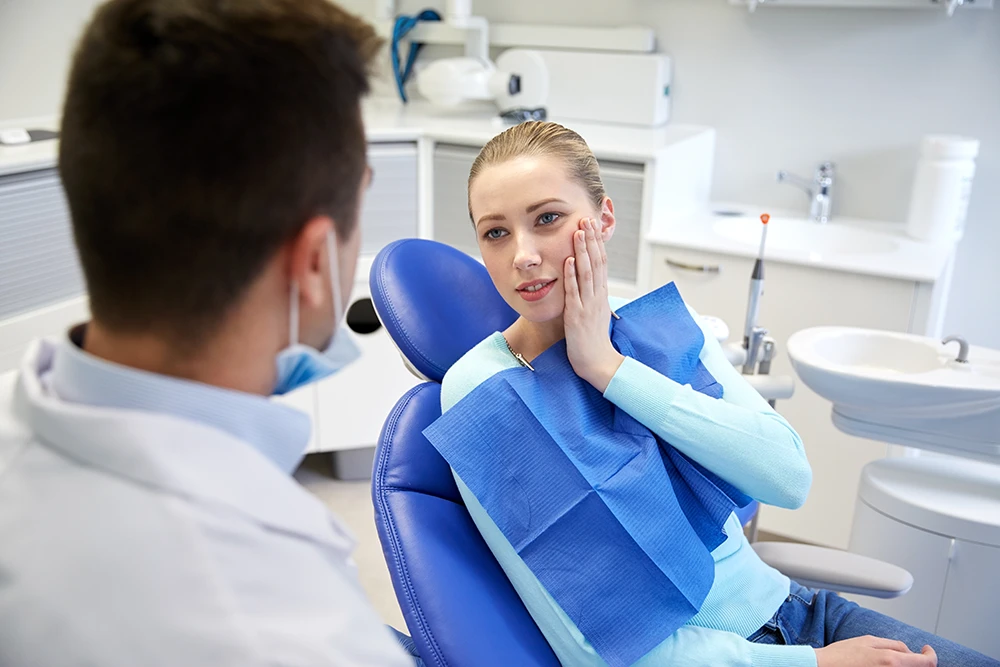
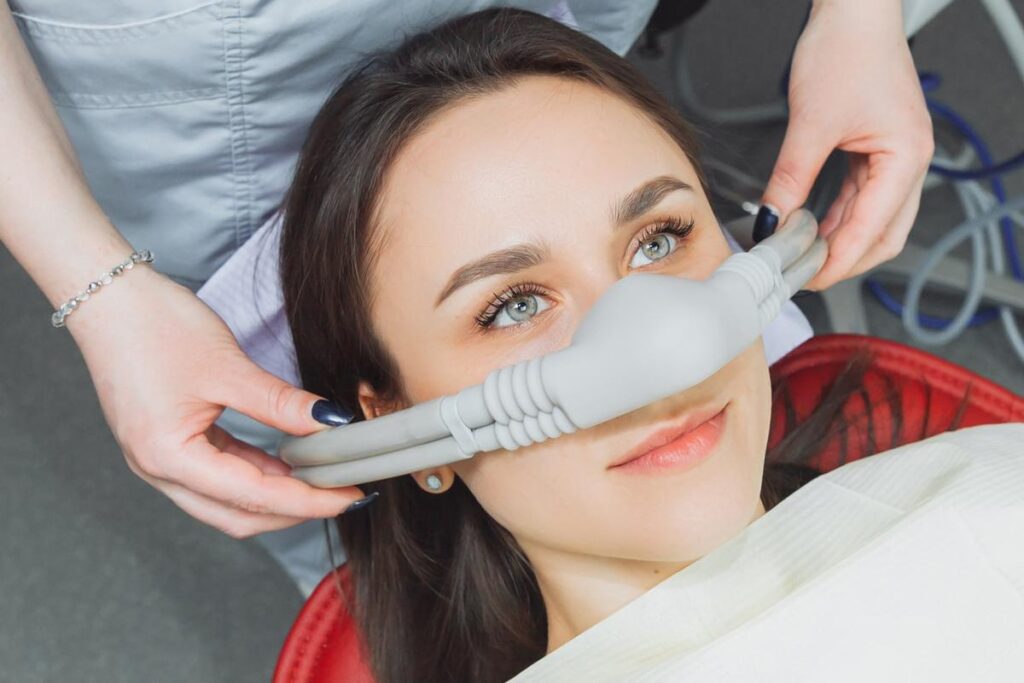

Dental oral sedation helps patients feel calm and relaxed during dental treatment. It helps reduce anxiety and makes the experience easier. While you stay awake, the medication helps you feel comfortable and less aware of the procedure. Oral sedation dentistry makes it possible to get the care you need without stress.
Table of Contents
ToggleOral Sedation Dentistry: What to Expect?
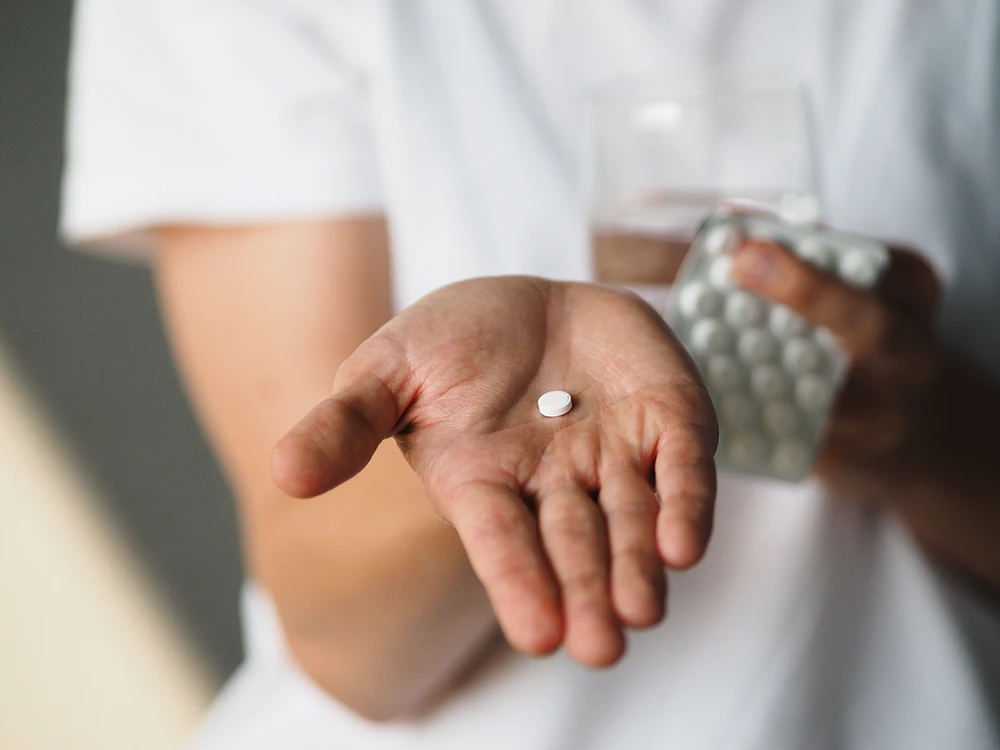
The process of oral sedation dentistry is simple. Your dentist prescribes a sedative pill, usually taken about an hour before your visit. Some types of oral sedation make you feel relaxed and drowsy but not unconscious. You can still respond to instructions, but the treatment feels less overwhelming. Don’t plan any big tasks afterward; this is your chance to relax!
What Medication is Used for Oral Sedation Dentistry?
Different medications help patients during oral sedation. Your dentist chooses the best option based on your needs. They are safe and effective when used correctly. Here are some of the most common ones that belong to benzodiazepines class:
- Triazolam works quickly and doesn’t last too long.
- Diazepam offers longer effects and is great for longer appointments.
- Lorazepam is effective and has a medium duration.
Do You Feel Pain With Oral Sedation?
Oral sedation for dentistry doesn’t block pain, but it works alongside local anesthesia to make your experience as comfortable as possible. Here’s what you can expect:
- Pain scale without anesthesia is 7–10 out of 10 for most dental procedures, especially extractions or deep cleanings.
- Pain scale with oral Sedation and local anesthesia is 0–2 out of 10. You’ll likely feel only slight pressure or vibration but no sharp pain.


Oral Sedation for Pediatric Dentistry
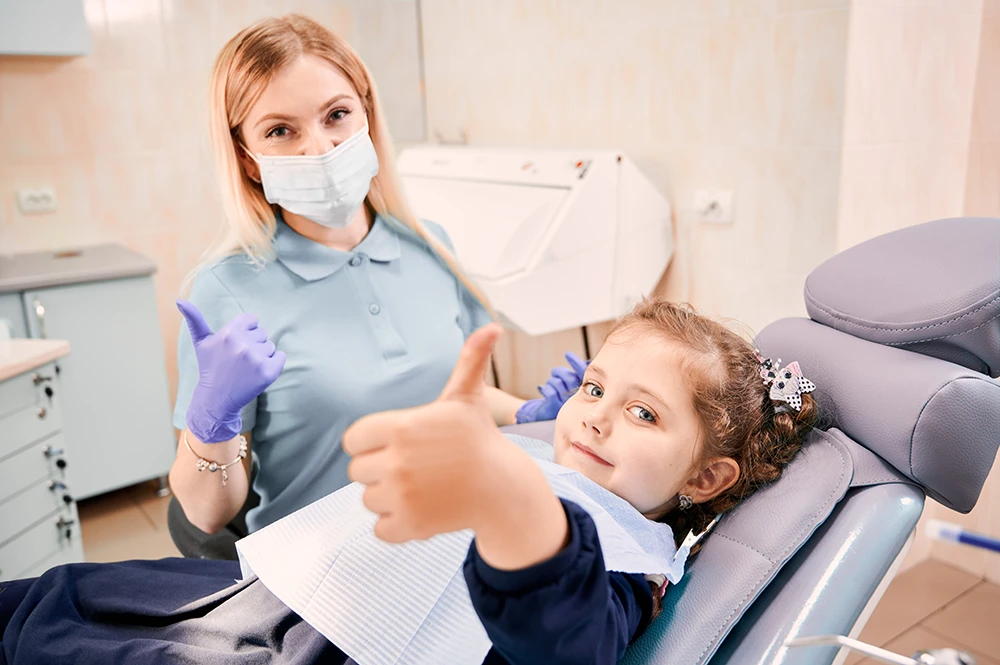
Oral conscious sedation helps children relax during immediate dental treatment.. It keeps them calm but awake to make the experience less stressful for them and the dentist. Oral sedation dentists often use mild sedatives for kids. These medications are safe, work quickly, and wear off soon after the treatment. Parents can feel reassured that their child’s comfort and safety are the top priority.
Oral Sedation Drugs for Pediatric Dentistry
Oral-conscious medication uses specific medications tailored for children to ensure a safe and calming experience during dental procedures. Common drugs include:
- Oral sedation like Triazolam or Diazepam pills which keeps you calm but awake.
- IV Sedation is a quick-acting, adjustable sedation where you’ll stay conscious but may not remember the procedure.
- General anesthesia fully puts you to sleep, especially for complex surgeries like impacted wisdom teeth.
What is the Best Oral Sedation for Dental Work?
The best sedation depends on your situation. Triazolam is often the top choice for oral sedation. It works quickly, calms you within an hour, and wears off after a few hours. It’s ideal for shorter procedures and mild to moderate anxiety. Your dentist may recommend other options for longer treatments, but Triazolam is a reliable and effective favorite for most patients.
How Long Does Oral Sedation Last?
The effects of oral sedation typically last between 2 to 6 hours, based on the medication and your body’s response. Here’s a general breakdown:
- Short-acting sedatives (e.g., Triazolam): 2–4 hours.
- Moderate-duration sedatives (e.g., Lorazepam): 4–6 hours.
- Longer-lasting options (e.g., Diazepam): Up to 6+ hours.
FAQs
Yes. Oral sedation can be used during Invisalign visits if you feel anxious. It helps you stay relaxed while the dentist adjusts or places your clear aligners.
Yes, but you’ll feel very relaxed and may not remember much of the procedure.
Extremely painful! Dentists always use local anesthesia to ensure a painless experience.
Common medications include triazolam, diazepam, and lorazepam.
Yes. It calms anxiety while local anesthesia numbs the area for a comfortable procedure.
Yes, when used by a trained dentist. The right dose ensures safety.
You might feel drowsy, have a dry mouth, or experience mild memory loss. Serious side effects are rare when administered correctly.
- Midazolam which works quickly and often induces mild drowsiness. It’s widely used due to its strong safety profile and short recovery time.
- Diazepam as it helps manage higher levels of anxiety. It has a longer effect, so it is ideal for longer treatments.
- Hydroxyzine reduces anxiety and has mild sedative effects. It’s often used for shorter procedures.