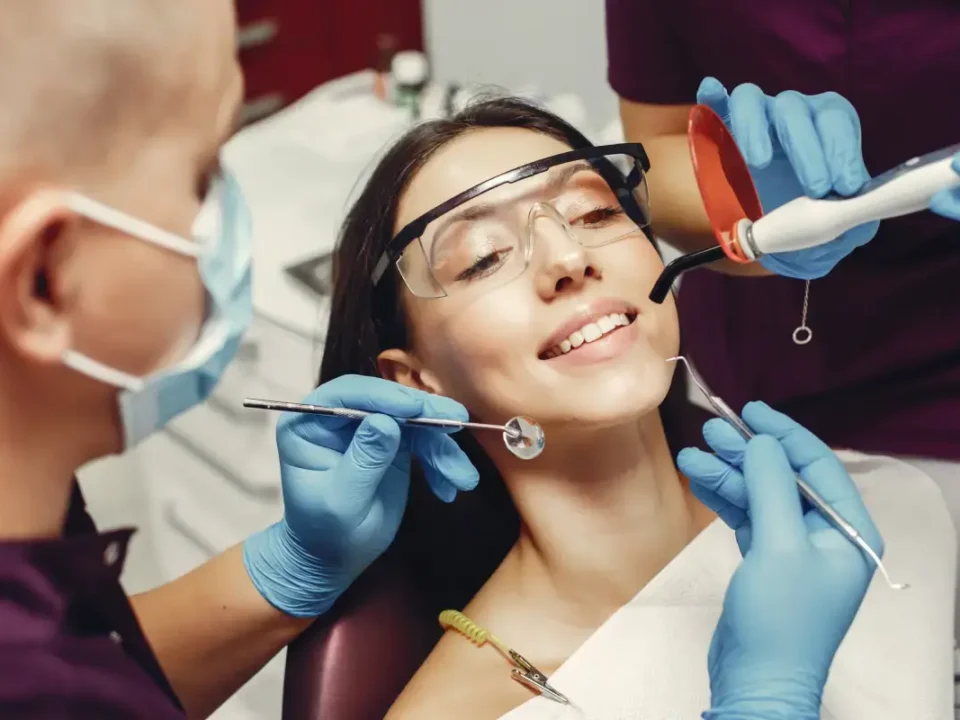
If you have hemophilia, going to the dentist can feel risky. Even small cuts in the mouth may cause more bleeding than usual. This can make dental care harder and more stressful. At Kirkland Dental Excellence, we understand these risks. We plan each visit carefully and work with your doctor to keep you safe. In this article, we tell you all about dental care for people with hemophilia in Kirkland, WA.
Specialized Dental Services for Individuals with Hemophilia
People with hemophilia need dental care that is safe, preventive, and planned with their condition in mind. Treatments should lower the risk of bleeding and fit each person’s medical needs. Below, we tell you about specialized dental services for individuals with hemophilia.
Hematologist Coordination Before Dental Treatment
Before major dental work, coordination with the patient’s hematologist is important. The hematologist provides details about the individual’s condition and advises on any steps needed to reduce bleeding risks. Some treatments may require medication or clotting factor support. Following the hematologist’s guidance helps ensure the procedure is safe from start to finish.
Factor Replacement–Supported Dental Procedures
Some dental procedures, like tooth removal or deep dental cleaning in Kirkland, WA, can cause more bleeding in people with hemophilia. To help prevent this, clotting factor is given before the treatment. This helps the blood clot better during and after the procedure. The dental visit is planned soon after the clotting factor is given to keep the risk low and help the mouth heal safely.
Gentle Preventive Dental Cleanings
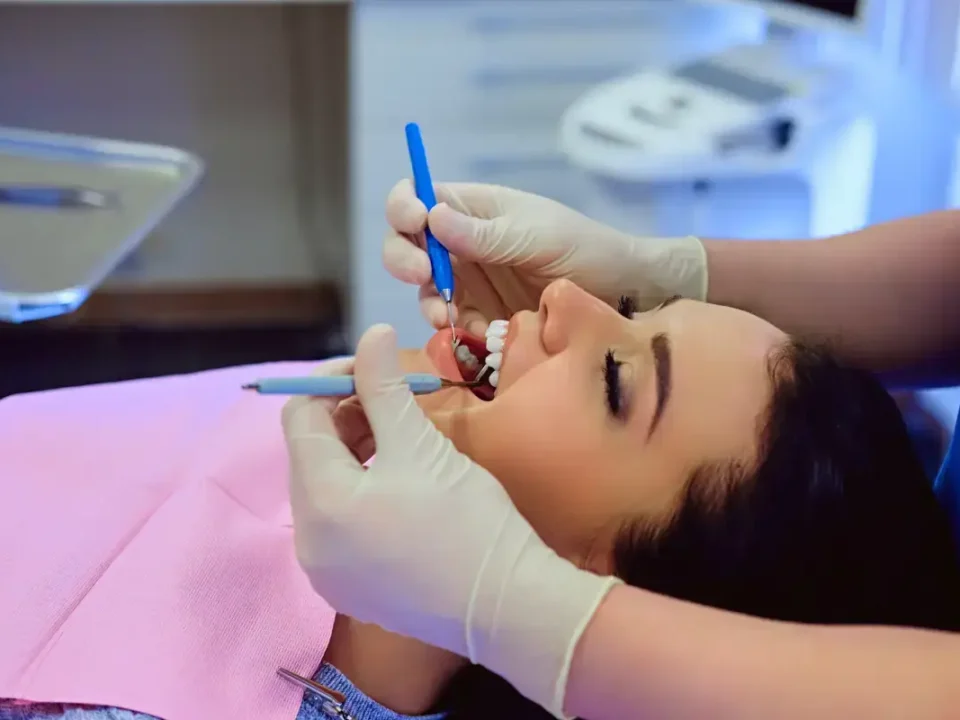
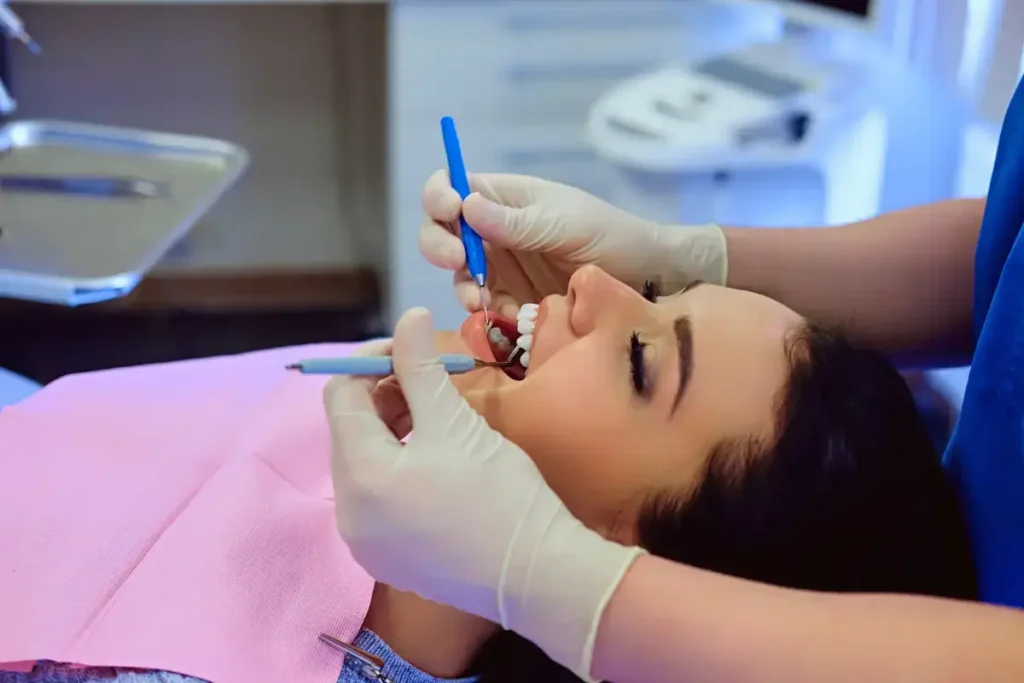
Preventive care is important for people with hemophilia. Regular dental cleanings help prevent tooth decay and gum disease. Gentle tools and careful techniques are used to protect the gums and reduce the risk of bleeding.
The mouth is closely checked during each visit to find and treat small problems early. Keeping up with regular cleanings can help avoid the need for more serious dental procedures later.
Use of Local Hemostatic Agents
When a dental procedure causes bleeding, special materials called hemostatic agents may be used. These materials help the blood clot faster and stop bleeding safely. They can be applied during or after treatment if needed. Using hemostatic agents supports faster healing and reduces the chance of bleeding problems after the procedure.
Atraumatic Tooth Extractions
Sometimes a tooth needs removal to stop infection or pain. The best dentist in Kirkland, WA, removes the tooth slowly and gently to avoid gum injury. Before the visit, the patient takes clotting factor to help stop bleeding.
During the procedure, the dentist uses special materials to control bleeding and may place dissolvable stitches. After the treatment, the dentist checks the area and gives clear instructions for healing at home.
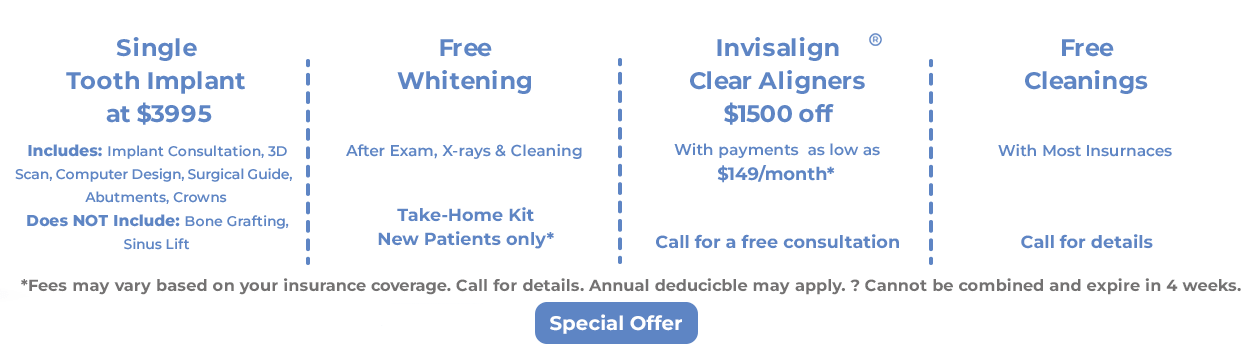
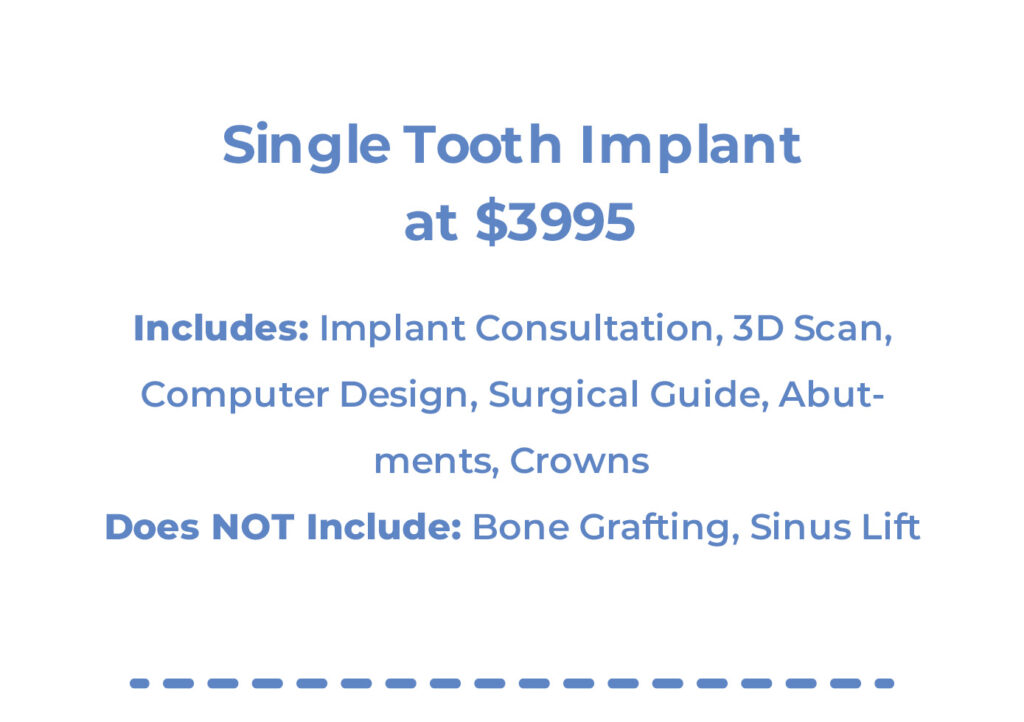
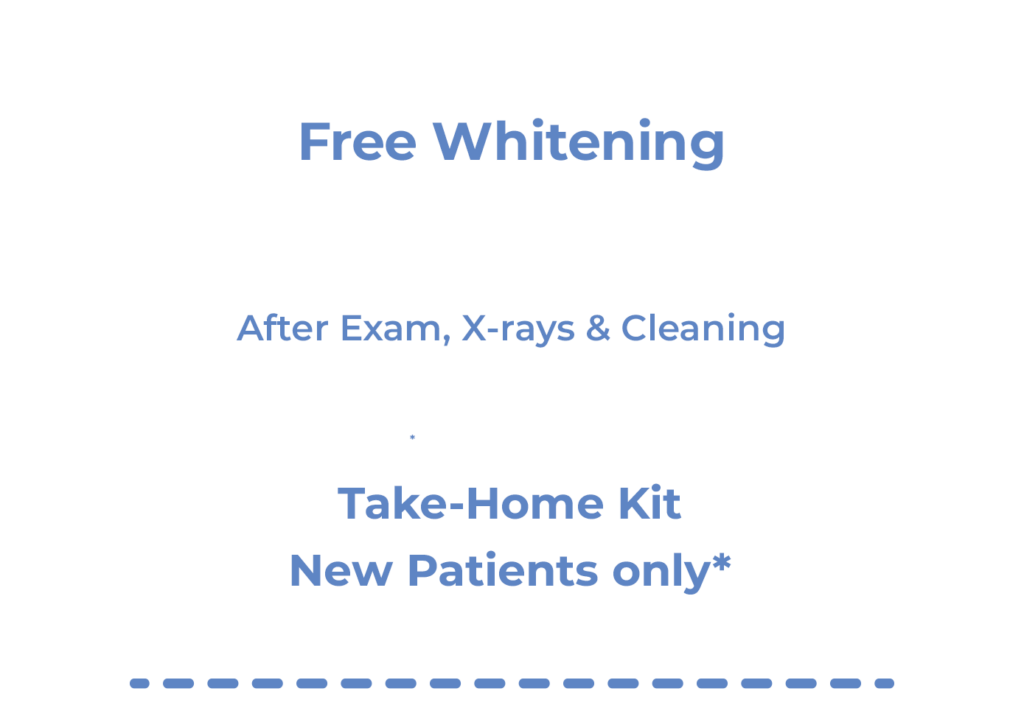
Special Offers
Top 5 Dental Care Essentials for Patients With Hemophilia
People with hemophilia need to take extra care of their teeth. A few simple steps can help make dental visits safer. These steps also help prevent serious dental problems:
Tell your dentist you have hemophilia before any treatment.
Let your dentist and hematologist work together on your care plan.
Go to regular dental checkups and cleanings.
Take clotting factor before dental work if your doctor tells you to.
Brush and floss every day to keep your teeth and gums healthy and prevent bleeding.
Insurance and Hemophilia-Specific Dental Coverage Options
People with hemophilia need special care during dental treatment, such as clotting factor or hospital support. Medical insurance covers 80% to 100% of clotting factor costs when a doctor prescribes it.
Dental insurance covers 50% to 80% of treatment costs, based on the plan and procedure. Check both dental and medical insurance before the visit to understand coverage and avoid extra costs.
Final Thoughts
People with hemophilia can get safe dental care with the right steps. Good planning, regular checkups, and careful treatment help protect the teeth and gums. Taking care of the mouth every day also helps prevent problems. With the right care, it is possible to stay healthy and avoid serious dental issues.
Dr. Hedayati is a general dentist with postgraduate education in Restorative Dentistry from the UCLA School of Dentistry. His family moved to the Seattle area from California in 2017, and he has since been serving patients in Kirkland, WA. Prior to his move, Dr. Hedayati was practicing in the UCLA Venice clinic, treating patients with extensive dental care needs. He also contributed to the clinical education of new dentists at the UCLA School of Dentistry.