Many people need dental implants, but worry about the cost. Some people wait because they are not sure if their insurance will help. If you live in Washington and need implants, you should have clear and simple information. This guide explains insurance coverage for dental implants.
Most dental insurance plans do not cover the full cost of implants, but may pay for parts like exams, tooth removal, or the crown. Basic plans exclude implants, while higher-level plans like PPOs may include some steps.
Medical insurance might help if you need the implant due to an accident or health issue. At Kirkland Dental Excellence, we review your insurance and explain what it will cover before treatment begins.
What Implant Services Does Dental Insurance Cover?
The treatment of cheap dental implant in Kirkland, WA, includes several steps, and insurance may help with some of the costs. What your plan covers depends on the type of insurance you have. Below is a simple guide that shows what most plans include and what they usually do not. This can help you understand what to expect before you start.
Most plans cover dental exams and X-rays at 80% to 100%.
Tooth removal is often covered at 70% to 80%.
Bone grafts may be covered at 30% to 50% if medically needed.
Crowns are sometimes covered at 50% to 60%.
Implant screws are usually not covered.
Sedation and follow-up visits are usually not covered.
Special Offers
What Types of Insurance Plans Cover Dental Implants?
Insurance plans do not all cover dental implants the same way. Some plans offer more help, while others cover very little or nothing at all. It’s important to know how your plan works before starting treatment. Here’s a simple look at the main types of plans:
Type of Plan
Coverage for Dental Implants
PPO Plans
Often cover parts of the implant process like exams, crowns, or tooth removal. You can choose your own dentist.
HMO Plans
Usually do not cover implants. You must use a dentist in the plan’s network.
Discount Plans
Do not pay for implants. Only give small discounts on some dental services.
Employer Plans
Some premium plans from employers include partial coverage for implants.
Medicare
Does not cover implants. Some Medicare Advantage plans may help with certain steps, like extractions or crowns.
How Much Do Dental Implants Cost With Insurance?
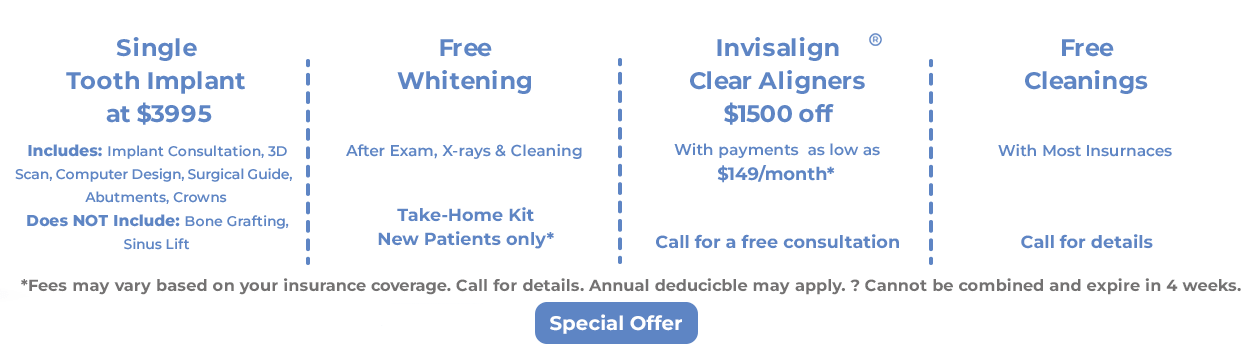
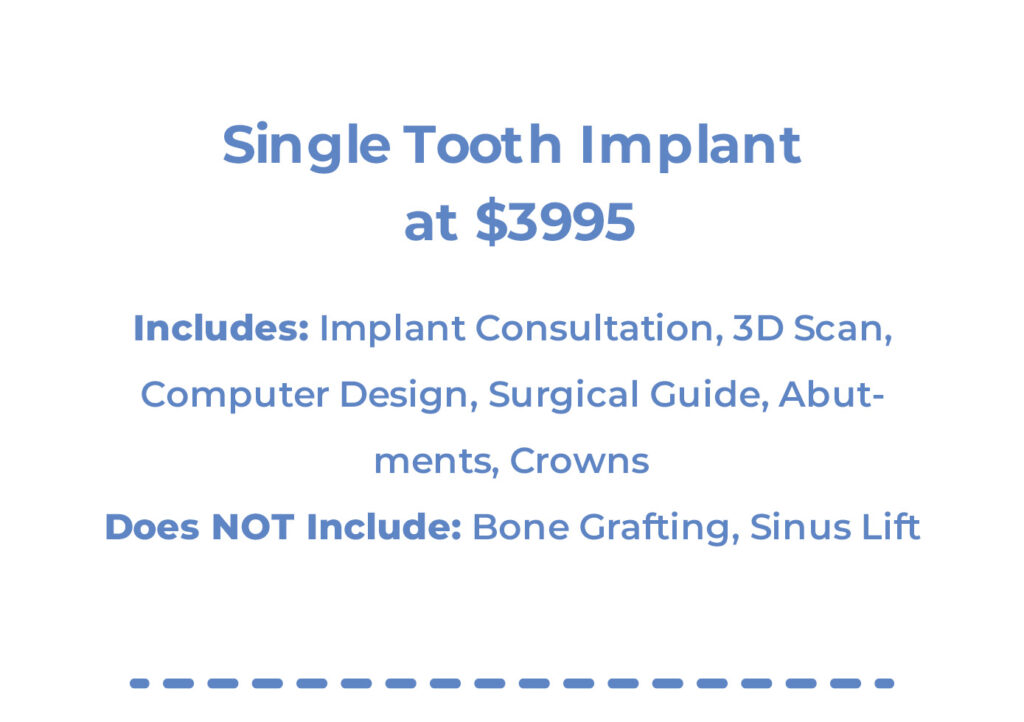
The cost of one dental implant in Washington is usually between $3000 and $5000. Insurance may help with some parts of the treatment, but not the full amount. Most plans have a yearly limit between $1000 and $2000, which can run out quickly if you need other dental work.
Below is how much insurance typically pays for each service:
Insurance usually pays between $100 and $300 for exams and X-rays.
Insurance often pays between $150 and $320 for tooth extraction.
Insurance may pay between $100 and $400 for bone grafting if medically needed.
Insurance may pay between $500 and $900 for the crown.
Final Thoughts
Understanding insurance coverage for dental implants helps you plan for care without stress. Dental insurance may not pay for every step, but it often helps with some of the costs. The type of plan you have matters, and it is important to know what is included. Get expert guidance and support from the best dental clinic in Washington.
The best dental insurance for implants includes major restorative coverage. Plans from Delta Dental, Cigna, and Guardian often offer this in their higher-level PPO options.
Choose a plan that covers both basic and major services. Look for high yearly maximums, short waiting periods, and coverage for dental implants if needed.
Yes, dental insurance helps lower the cost of many procedures. Even if it does not cover the full cost of implants, it helps with exams, extractions, or crowns.
Dr. Hedayati is a general dentist with postgraduate education in Restorative Dentistry from the UCLA School of Dentistry. His family moved to the Seattle area from California in 2017, and he has since been serving patients in Kirkland, WA. Prior to his move, Dr. Hedayati was practicing in the UCLA Venice clinic, treating patients with extensive dental care needs. He also contributed to the clinical education of new dentists at the UCLA School of Dentistry.