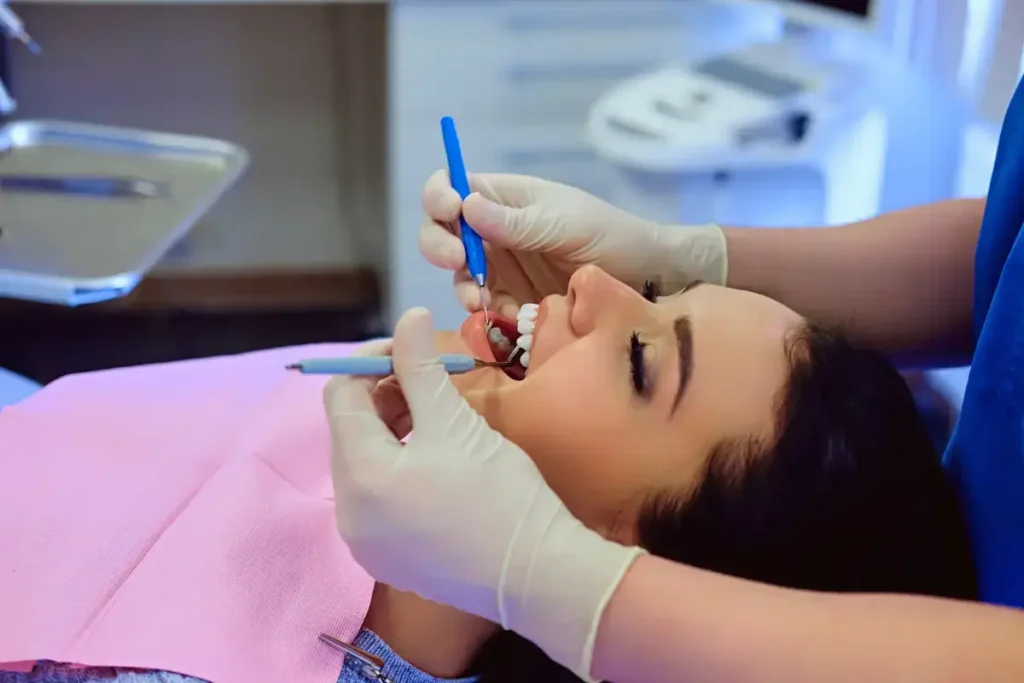
Plaque on Teeth & Gingivitis: Warning Signs Kirkland Dentists Treat Daily

How to Remove Tartar from Teeth in Kirkland, WA
March 17, 2026
Many people visit us with gum problems and don’t know why. In most cases, plaque is the cause. It’s a soft layer of bacteria that sticks to teeth and can lead to gingivitis. If ignored, it may turn into serious gum disease. In this article, we explain the signs of plaque on teeth & gingivitis and how we treat them at Kirkland Dental Excellence.
How plaque on teeth leads to early gum disease
Plaque forms on your teeth after eating or drinking. Bacteria in plaque use sugar to make acids that hurt your gums. If you don’t clean it off, plaque hardens into tartar. Tartar makes brushing harder and holds more bacteria.
This causes red, swollen, and bleeding gums, also known as gingivitis. If not treated, it can damage the bone around your teeth. Many people miss the early signs of plaque on teeth & gingivitis, so regular cleanings and dental checkups in Kirkland, WA, are very important.
Warning Signs of Plaque Buildup and Early Gingivitis
Plaque and gingivitis can start quietly, but they cause real damage over time. Knowing the signs helps you catch the problem early and protect your gums. At Kirkland Dental Excellence, Dr. Hedayati finds these signs during exams and treats them before they get worse. Below are the common signs of plaque on teeth & gingivitis that you should never ignore.
Bleeding gums
Healthy gums should not bleed. If you see blood while brushing or flossing, your gums may be inflamed or infected. This is often an early sign that your gums need care and should not be ignored.
Red or swollen gums
Gums should look firm and light pink. If they appear red, puffy, or feel swollen, plaque and bacteria may be causing irritation. This is a common early sign of gingivitis.
Persistent bad breath
Bad breath that does not go away, even after brushing, can mean bacteria are trapped under the gums. This often points to plaque buildup and should be checked by a dentist.
Gums that feel tender or sore
If your gums feel sore or sensitive to touch, it may be a sign of early gum disease. This discomfort usually gets worse if not treated quickly.
A sticky film on your teeth
If your teeth feel fuzzy or coated, plaque is likely still on them. This means brushing is not fully cleaning your teeth, and buildup is starting to affect your gums.
Mild gum recession
When gums begin to pull away from the teeth, more of the tooth becomes exposed. This can cause sensitivity and give bacteria more space to grow and spread.
Tartar buildup along the gumline
Yellow or brown buildup near your gums shows that plaque has hardened into tartar. Tartar cannot be removed at home and needs to be cleaned by a dentist to protect your gums.
Why Early Detection of Plaque Saves Your Smile
At Kirkland Dental Excellence, we focus on finding gum problems early to protect your smile. Early care is the best way to stop damage before it becomes serious. Below are simple facts about why early treatment matters.
- Treating gum problems early helps protect your teeth and gums.
- Gingivitis can go away with treatment, but serious gum disease cannot fully heal.
- Plaque that stays on teeth can hurt your gums and weaken the bone around your teeth.
- This can lead to loose teeth or even losing a tooth.
Plaque and gingivitis can damage your gums and bone, leading to loose or lost teeth. At Kirkland Dental Excellence, we treat these problems early to keep your smile healthy. Contact us at (425) 827-2003 to book your visit and stop gum damage early.
Daily Preventative Steps We Recommend to Patients
Taking care of your teeth every day helps keep your gums healthy and stops plaque from building up. Below are simple steps you can follow to prevent the signs of plaque on teeth & gingivitis:
- Brush your teeth two times a day using a soft toothbrush and fluoride toothpaste.
- Floss every day to clean between teeth where your brush cannot reach.
- Use mouthwash to reduce bacteria and keep your mouth fresh and healthy.
- Eat less sugar to slow down plaque growth and protect your teeth.
- Drink water during the day to wash away food and keep your mouth fresh.
- Visit a trusted dentist in Kirkland, WA, regularly to clean off tartar and check for signs of plaque on teeth & gingivitis before they get worse.
Final Thoughts
Plaque and gingivitis start slowly, but they can cause serious damage if ignored. Many people miss the early warning signs because they seem small. Knowing the signs of plaque on teeth & gingivitis and getting care early helps protect your gums and teeth. Daily home care and regular dental visits are the best ways to keep your smile healthy.
FAQs
How can I tell if I have gingivitis?
Your gums may look red, feel swollen, bleed easily, or feel sore. You might also notice bad breath that doesn’t go away.
Can plaque cause gum disease if left untreated?
Yes. If plaque stays on your teeth, it can turn into tartar and cause gum infection, which can lead to gum disease.
How often should I get my teeth cleaned to prevent gingivitis?
Most people should get their teeth cleaned every 6 months. Some may need more frequent visits if they build up plaque faster.
Is bleeding when brushing a sign of something serious?
Yes. Bleeding gums often mean your gums are irritated or infected. It’s an early sign of gingivitis and should be checked by a dentist.