Many patients wonder, can you remove dental implants? In a nutshell, yes. Dental implants can be removed. While they typically last a lifetime, certain situations make removal necessary. Let’s dive into the reasons a removal is necessary, how the procedure works, and what you can expect.
Table of Contents
ToggleReasons for Removing Dental Implants
Although incredibly durable, implants aren’t always permanent. Here are the main reasons to remove dental implants:
- Bacteria can infect the tissue around an implant. It causes red, swollen gums, pain, and discharge. If caught early, it’s treatable. If it spreads, the act of dental implant removal due to infection may be necessary.
- When an implant doesn’t bond with the jawbone, it can become loose or unstable. In such cases, removing and replacing the implant is often necessary.
- Poor placement can affect your bite and cause jaw pain or tooth damage. As a last resort, you need to remove dental implants.
- Gums can pull back over time (gum recession). It exposes the implant and increases the risk of infection or discomfort. Removal may be needed to protect gum health.
- If an implant sits too close to a nerve, it can cause nerve damage, including numbness, tingling, or pain in your lips, chin, or tongue.
- Implants can break, crack, or wear out. Biting on hard stuff or grinding your teeth makes this more likely.
- Implants need a strong jawbone to stay put. If bone loss happens, the implant may loosen or fall out.
- Certain health issues, like autoimmune diseases or cancer treatments, can make implants fail.
- Some people react to the materials in the implant. This can cause discomfort and swelling.
- Some people just don’t want their implants anymore. Maybe they prefer dentures or don’t like the look.



How to Remove Dental Implants?
Removing a dental implant is a precise surgical procedure. The goal is to remove the implant without damaging the healthy bone around it. Let’s see how:
- Your dentist starts by examining your mouth and taking X-rays. They check how deep the implant is, its condition, and the surrounding bone.
- To make sure you feel comfortable, the dentist uses local anesthesia to numb the area so you won’t feel any pain.
- The top dentist in Washington makes a small cut in your gum to expose the implant and surrounding bone. This allows them to access the implant directly.
- The dentist uses specialized tools to loosen the implant. If the implant isn’t tightly fused to the bone, it can be unscrewed easily. If it’s deeply integrated, they may remove a small bit of bone to release it.
- Once the implant is out, the dentist cleans the area thoroughly. This removes any infected tissue or debris. Cleaning ensures a healthy foundation for future treatment, helps reduce the risk of infection, and promotes faster healing.
- If the removal leaves a large gap in your jawbone, the dentist may perform a bone graft. A bone graft strengthens the jaw and helps maintain its shape, especially if you plan to replace the implant or get dentures later.
- After the implant is removed, the dentist stitches the gum tissue back in place. Depending on the type of stitches, they may dissolve on their own or need to be removed during a follow-up appointment.
- After the procedure, the dentist will tell you how to care for the area as it heals.
- Follow-up visits are important to monitor healing and decide the next steps for your dental care.
The dental implant removal recovery time is about 1-2 weeks for the gums to heal and a few months for the bone to recover fully. You can expect to have mild swelling and soreness for the first few days. You better stick to soft foods and avoid hard brushing near the site. If a bone graft is done, healing may take longer.
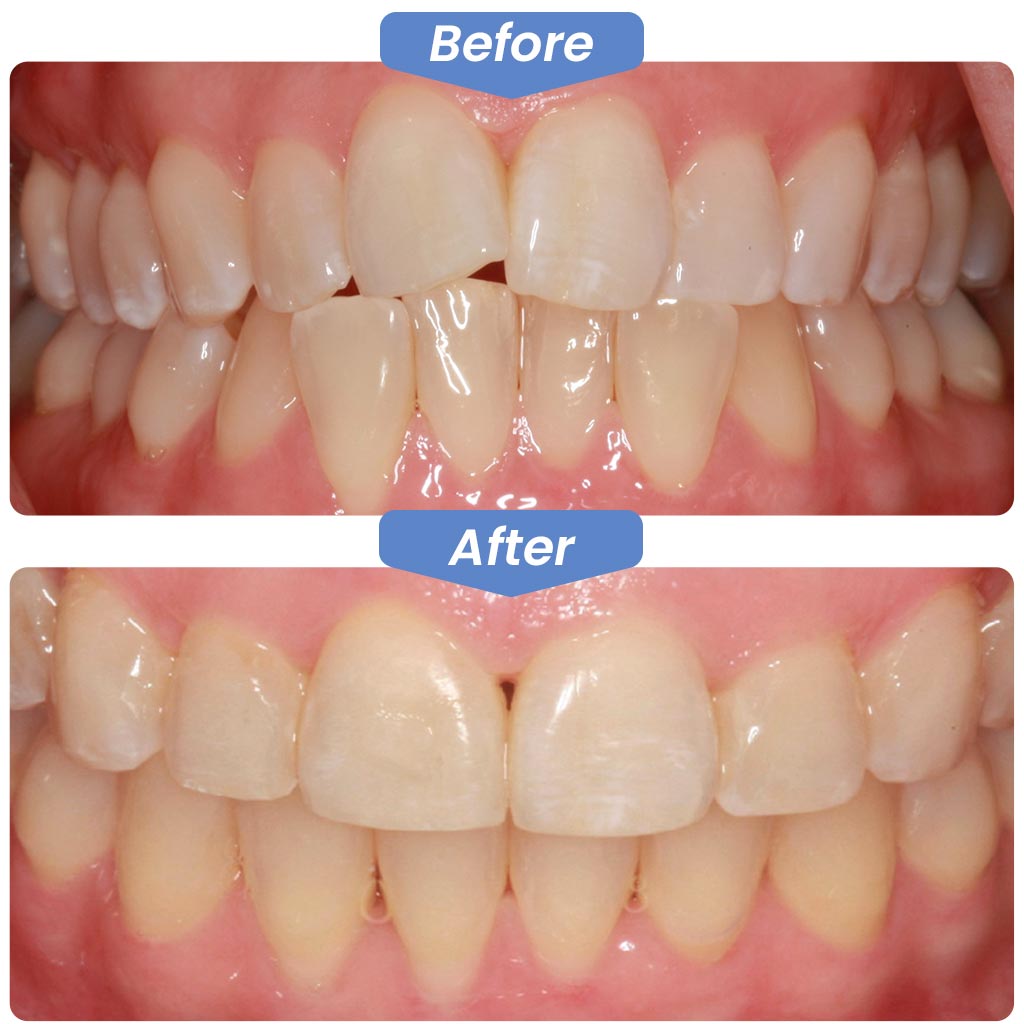
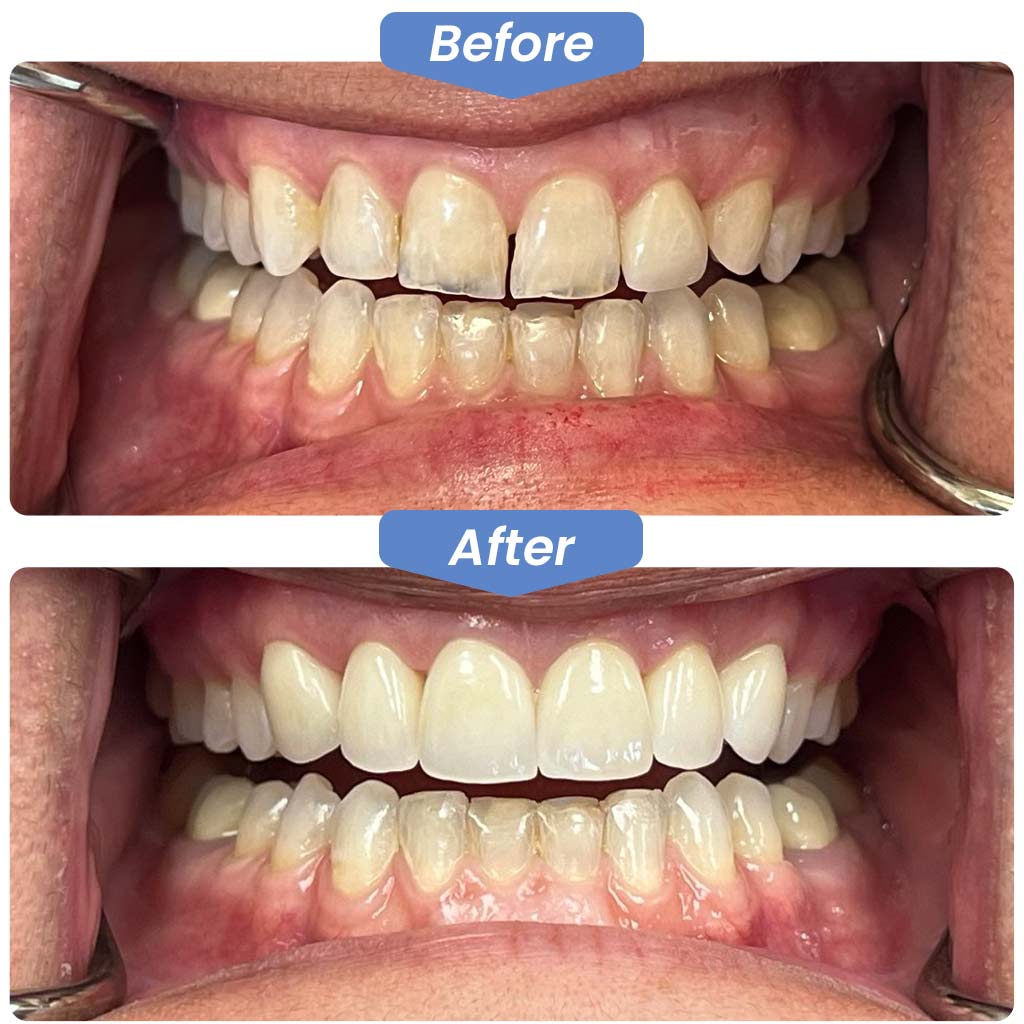
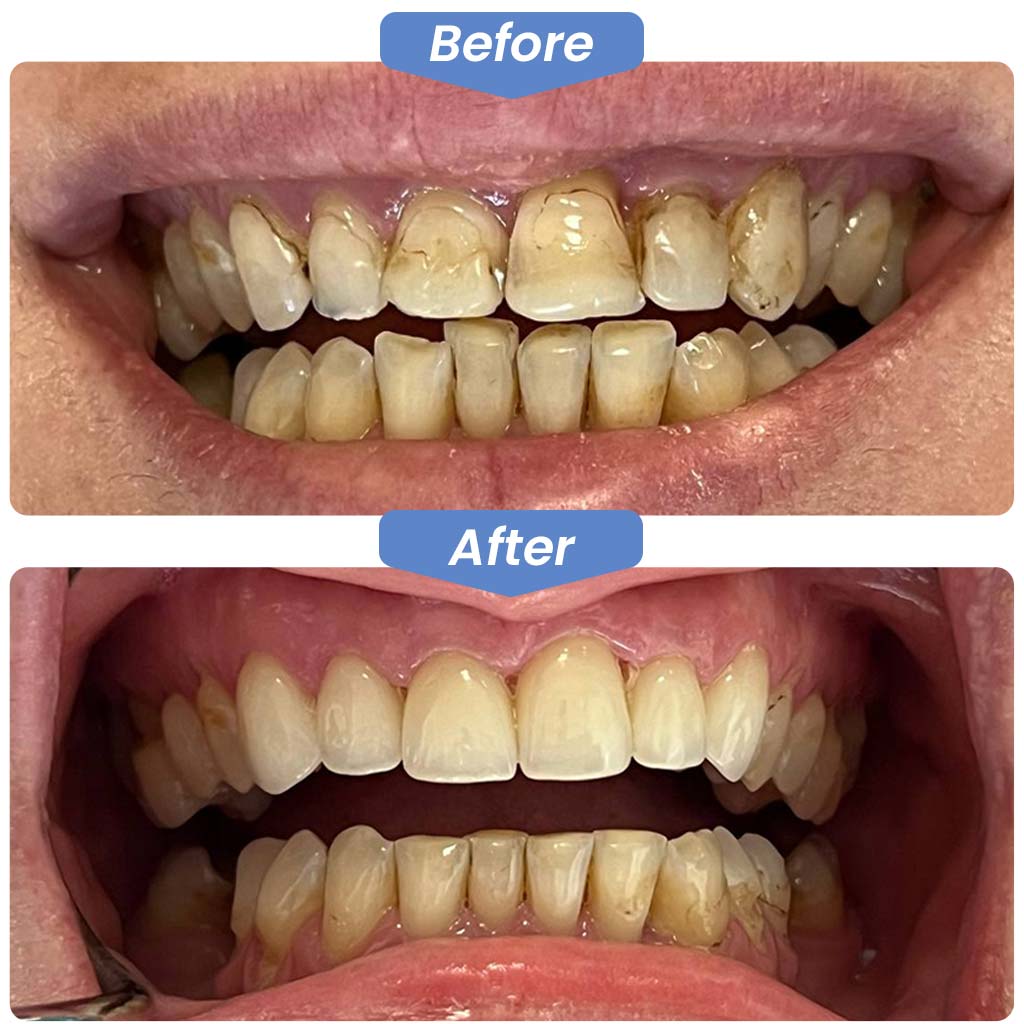
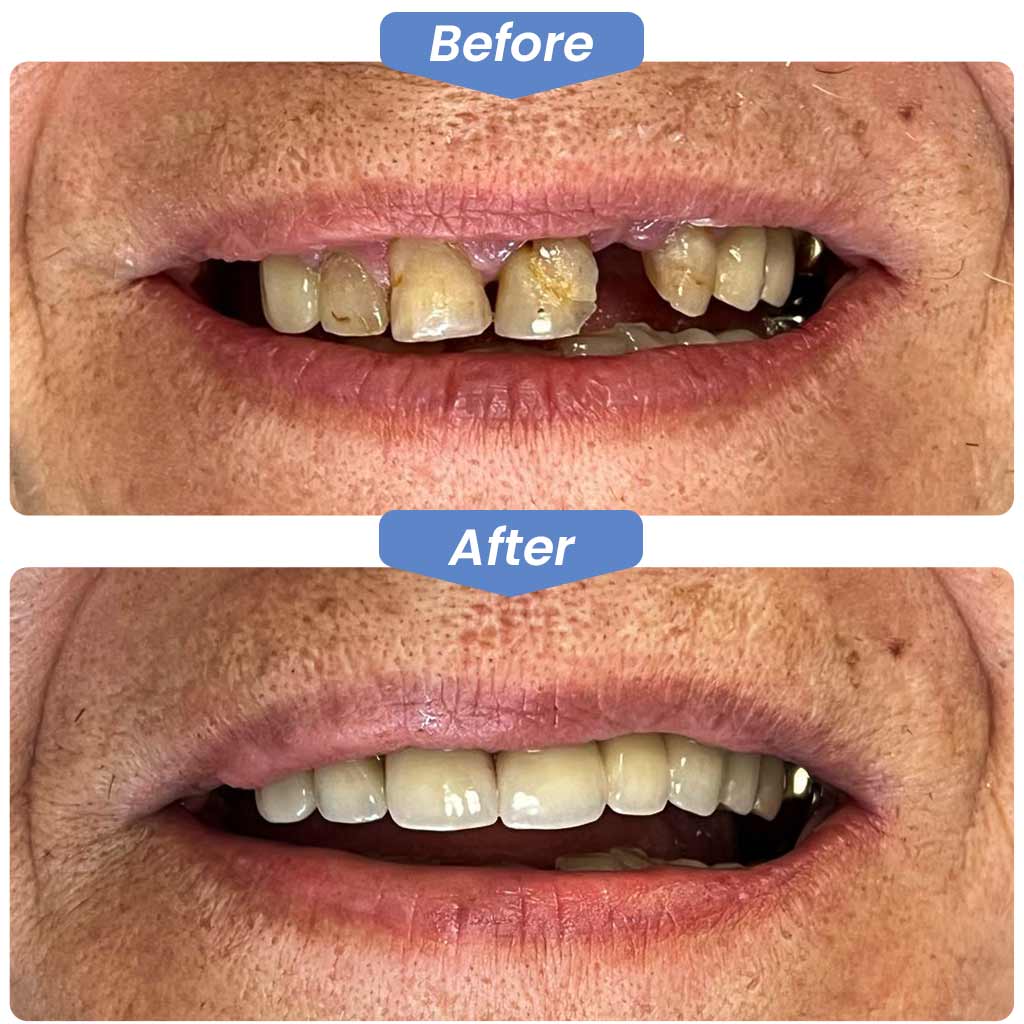
Can Dental Implants Be Removed and Replaced with Dentures?
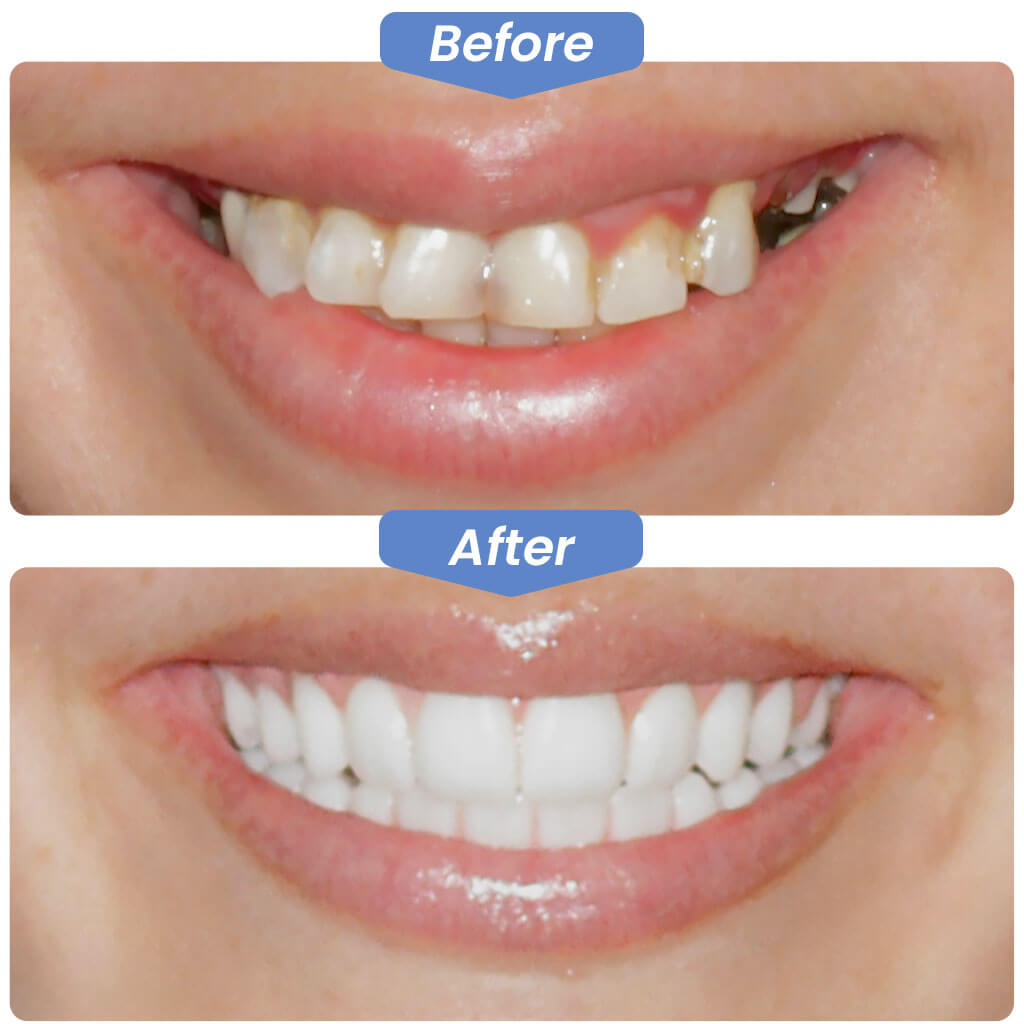
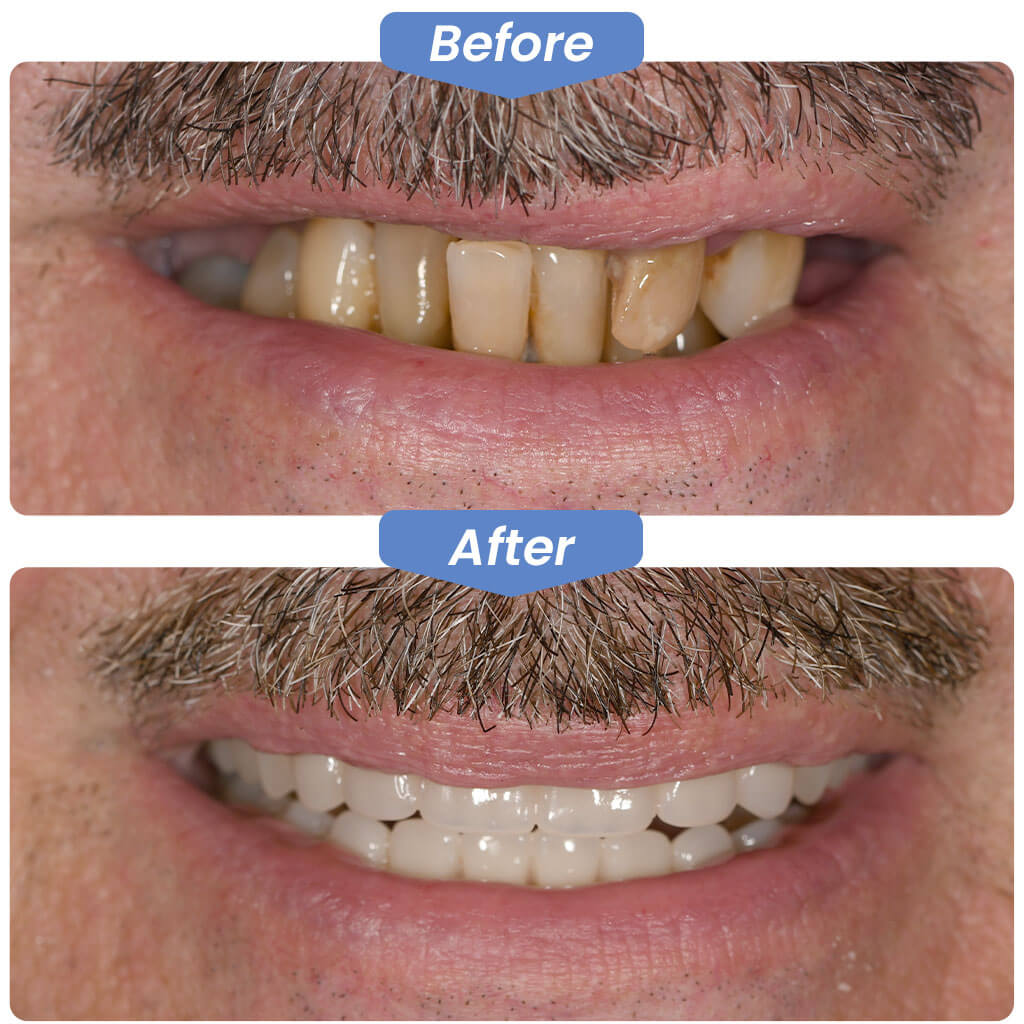
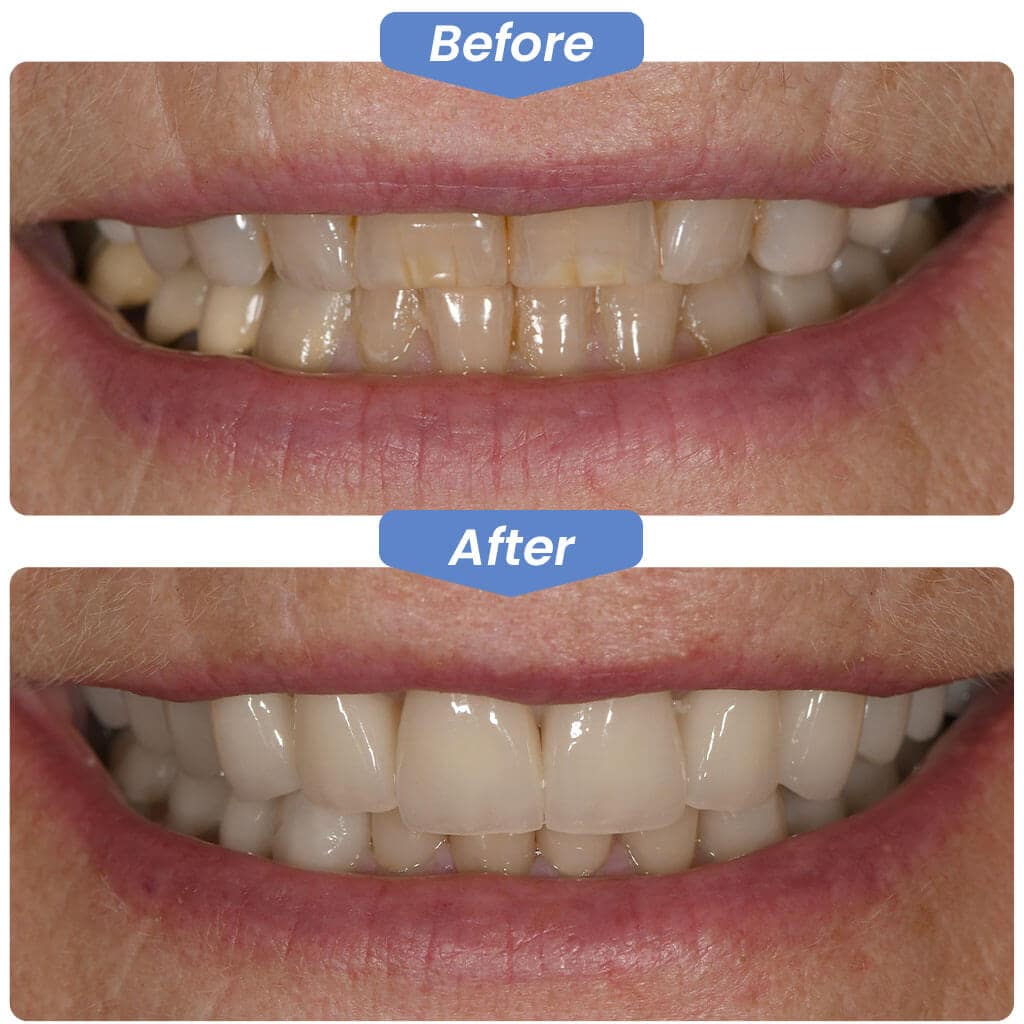
Yes, some patients choose to remove dental implants and replace them with dentures. This usually happens when multiple implants fail or when maintaining implants becomes too difficult. When does it make sense to make the switch”?
- If there’s significant bone loss, dentures may be a better option.
- Dentures often cost less than a full set of implants.
- Some patients prefer the simplicity of removable dentures.
The process involves removing the implant, allowing the area to heal, and then fitting the patient for custom dentures. Modern dentures are comfortable, natural-looking, and much more secure than they used to be!
Can Dental Implants Be Removed for Cleaning?
No, implants cannot be removed for routine cleaning. Unlike dentures, implants are fixed to your jawbone permanently. However, regular professional cleanings are essential to maintain gum health around your implants. If plaque and tartar build around your implant, it can lead to gum disease or peri-implantitis. Your dentist will use dental tools to clean around the implant without removing it.
Dental Implant Removal Cost
The cost varies due to the complexity of the removal, the need for bone grafting, and anesthesia. Many insurance plans cover 50-80% of the removal procedure if it’s medically necessary. To get an accurate estimate, call Kirkland Dental Excellence at (425) 827-2003 for a consultation.
Removing Dental Implant Problems
Implant dental and other dental operations always involve risks. Here are the risks of removing dental implants:
- Some bone around the implant may be lost during removal.
- Like any surgery, there’s a risk of infection.
- The jawbone may take several months to heal after removal.
- While anesthesia prevents pain during the procedure, some discomfort is normal during recovery.
Remove Dental Implants: The Bottom Line
You can remove dental implants when necessary, but it’s important to understand why and how the procedure works. The removal can be due to infection, misalignment, or other issues. If you’re dealing with implant-related concerns, reach out to Kirkland Dental Excellence. We’ll help you explore your options and find the best solution for your smile.
FAQs
Yes, but only by a dentist using specialized tools.
Yes, but if there’s a problem like infection or failure.
The removal procedure usually takes 30-60 minutes, depending on the complexity.
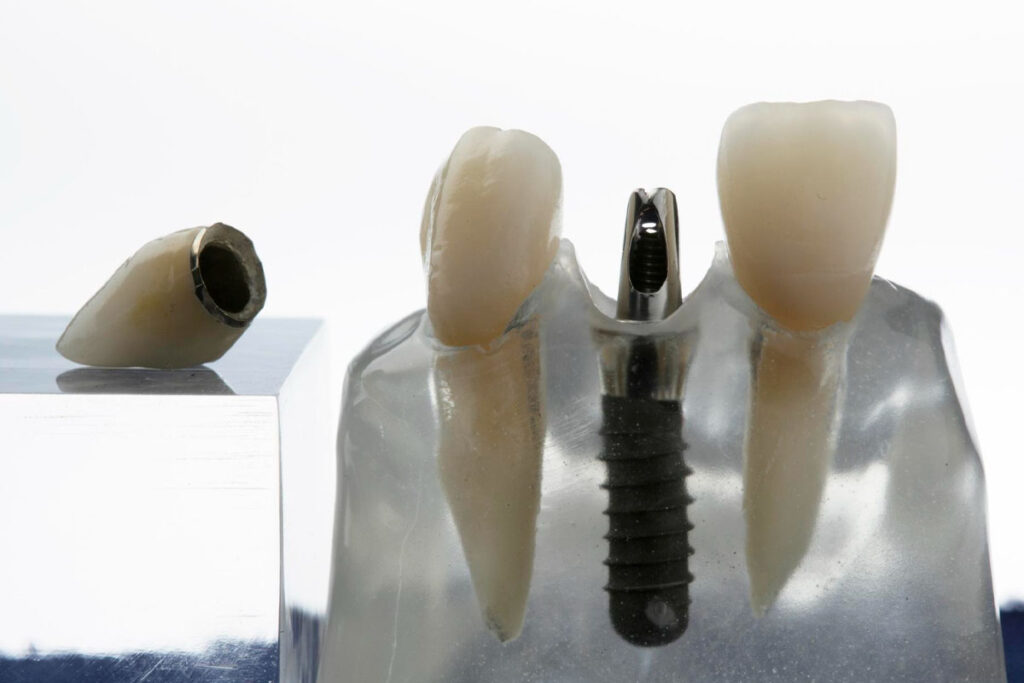
Yes, the crown on top of an implant can be replaced without removing the entire implant.
No. The procedure is done under anesthesia, so you won’t feel pain.
It depends on how well the implant has integrated with the bone. Some are easier to remove than others.
No, All-on-4 implants aren’t removable by patients. Only a dentist can remove them, as they’re permanently fixed to the jawbone.